

Literal Publishing

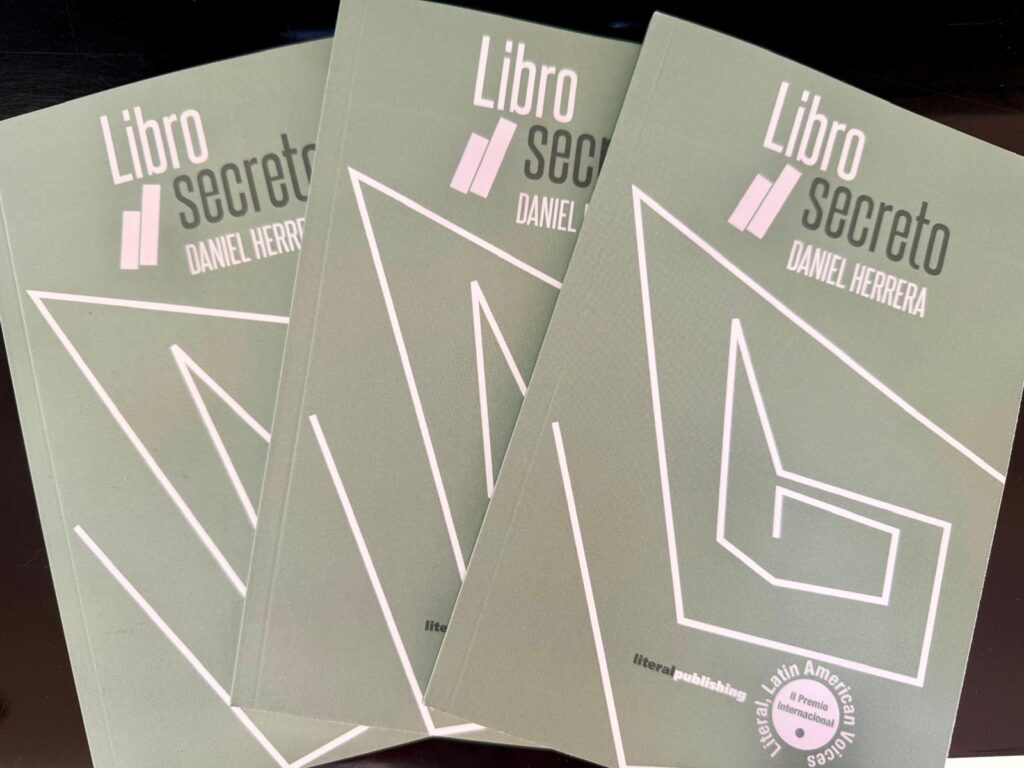
Libro secreto de Daniel Herrera
Ganador del II Premio Internacional Literal, Latin American Voices,
“Pocos libros consiguen ser tan desternillantes como desoladores.”
—María Bastarós
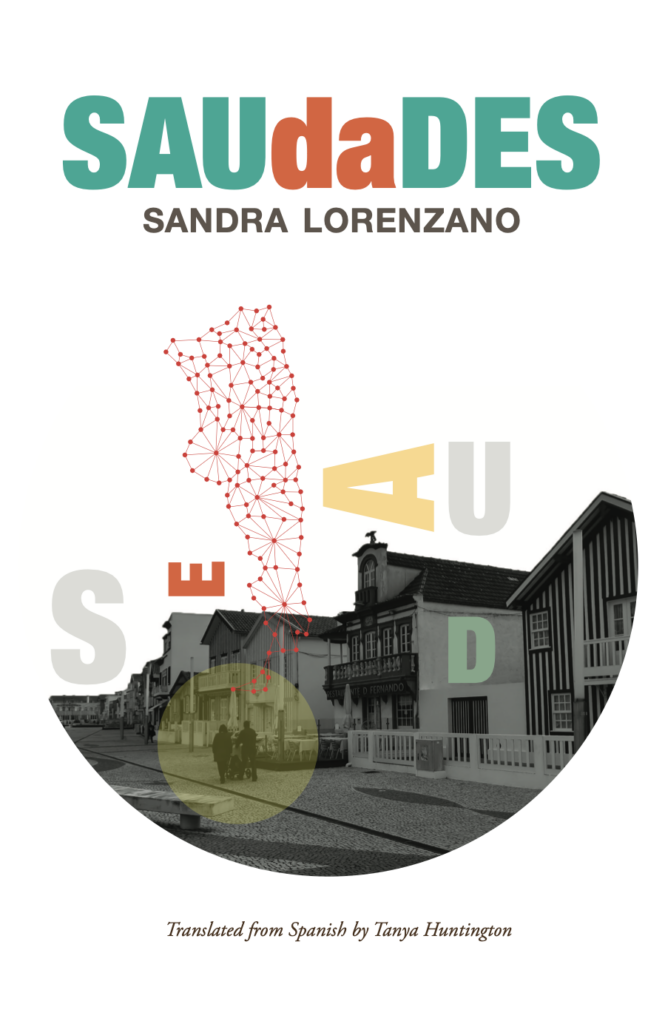
Saudades by Sandra Lorenzano
A choral novel of alternating voices that tries to say what cannot be said, catching stories that will remain foreign, officiating over a sorrow that is and is not our own in a murmur of absences where the erotic body offers fleeting refuge while literary references (yet another body, yet another voice) provide stings that accentuate the absence, yet keep the flame alive

El álbum incompleto de Ana María Caula ¡AGOTADO!
En este fotolibro, finalista del prestigioso Premio FELIFA, la combinación de imágenes y textos transporta al espectador a una Latinoamérica analógica y próspera. Los años de oro del cine argentino y el mundo publicitario de la Venezuela petrolera, como el sinfín de un estudio fotográfico, son el telón de fondo para este grupo de ensayos que construye una biografía familiar poco convencional.
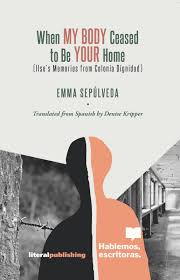
When My Body Ceased to Be Your Home: Ilse’s Memories from Colonia Dignidad by Emma Sepúlveda
This novel , winner of the DIRAC Prize, is based on the real-life horrors of Colonia Dignidad, a notorious German settlement in Chile run by the cult leader Paul Schäfer, where residents, particularly women, suffered abuse, misogyny, and complicity with the Pinochet dictatorship. The book tells the story of a fictional character, Ilse, who endures this brutal environment, detailing her struggle for survival, dignity, and freedom within the “concentration camp”. It’s a work of fiction grounded in reality, exploring themes of terror, repression, and resistance.
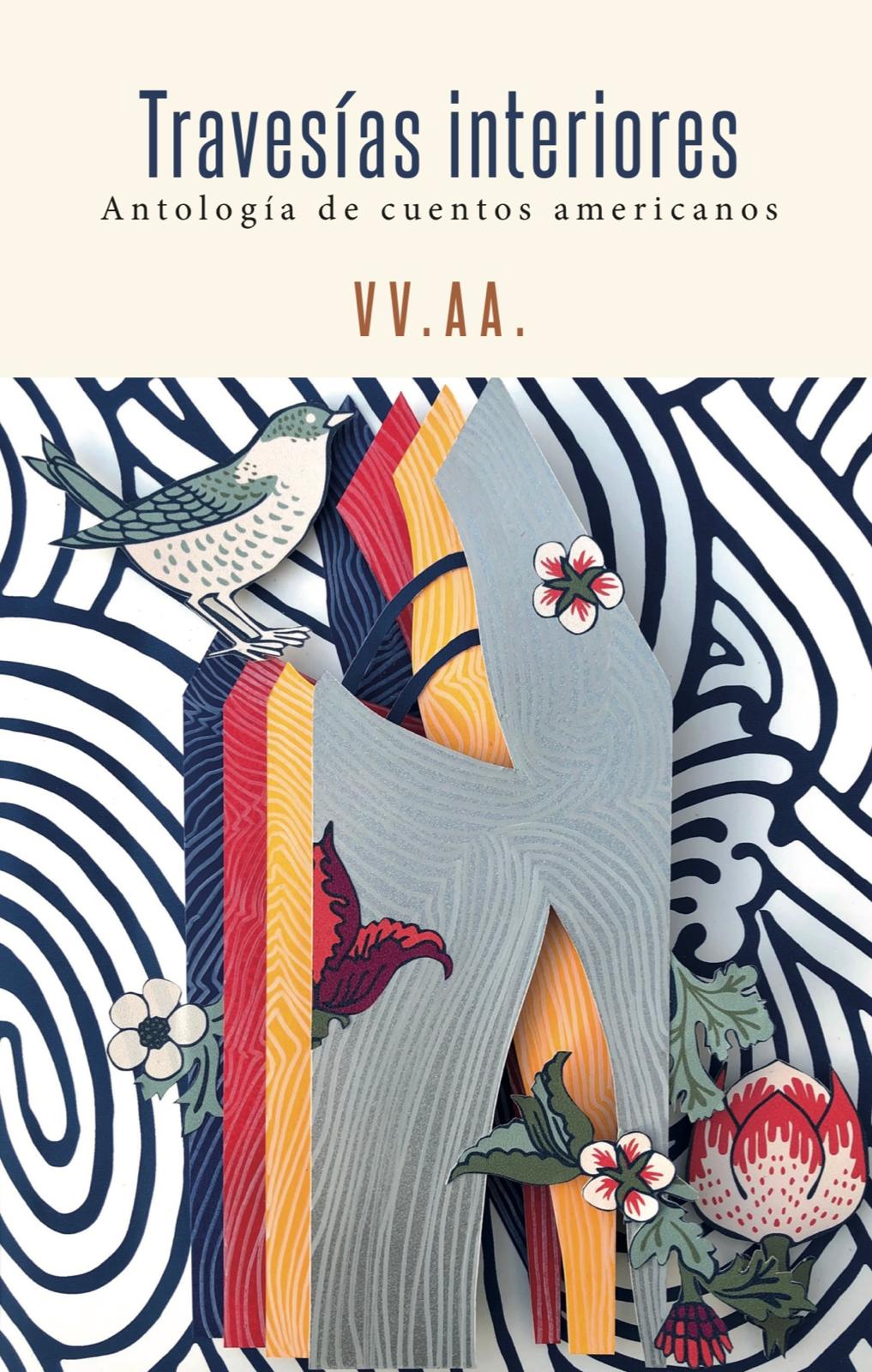
Travesías interiores. Antología de cuentos americanos de Varios Autores
El libro Travesías interiores: Antología de cuentos Americanos es una colección de relatos escritos por los autores de Texas que fueron seleccionados de la convocatoria creada por Saludos Connection y Literal Publishing. El libro ofrece una diversidad de perspectivas sobre diferentes aspectos sociales, históricos y culturales desde la perspectiva del hogar en Estados Unidos.

Siempre un lugar efímero de Luis Madrigal
El libro Siempre un lugar efímero de Luis Madrigal fue la mención honorífica del Primer Premio Internacional Literal, Latin American Voices 2024. La obra que explora las complejidades del espacio y el tiempo en la experiencia humana.

Riachuelo de Carlos Labbé
Se trata de una novela que aborda temas sociales y personales con una mirada profunda y crítica hacia la realidad latinoamericana. El libro fue mención honorífica en el Primer Premio Internacional Literal, Latin American Voices 2024.
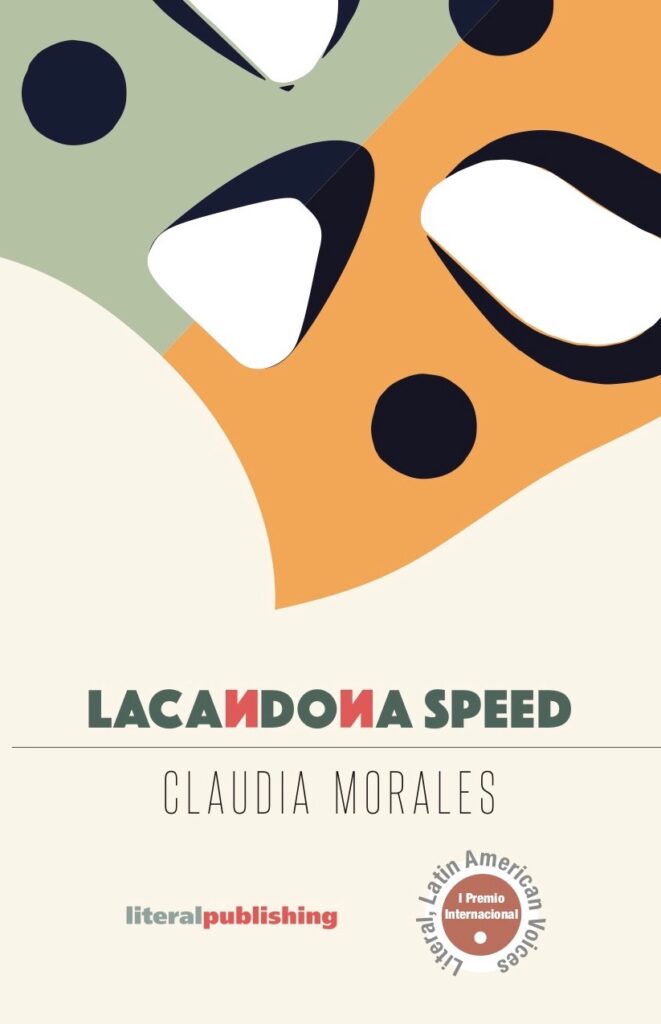
Lacandona Speed de Claudia Morales
Este libro de cuentos fue el ganador del Primer Premio Internacional Literal, Latin American Voices 2024.
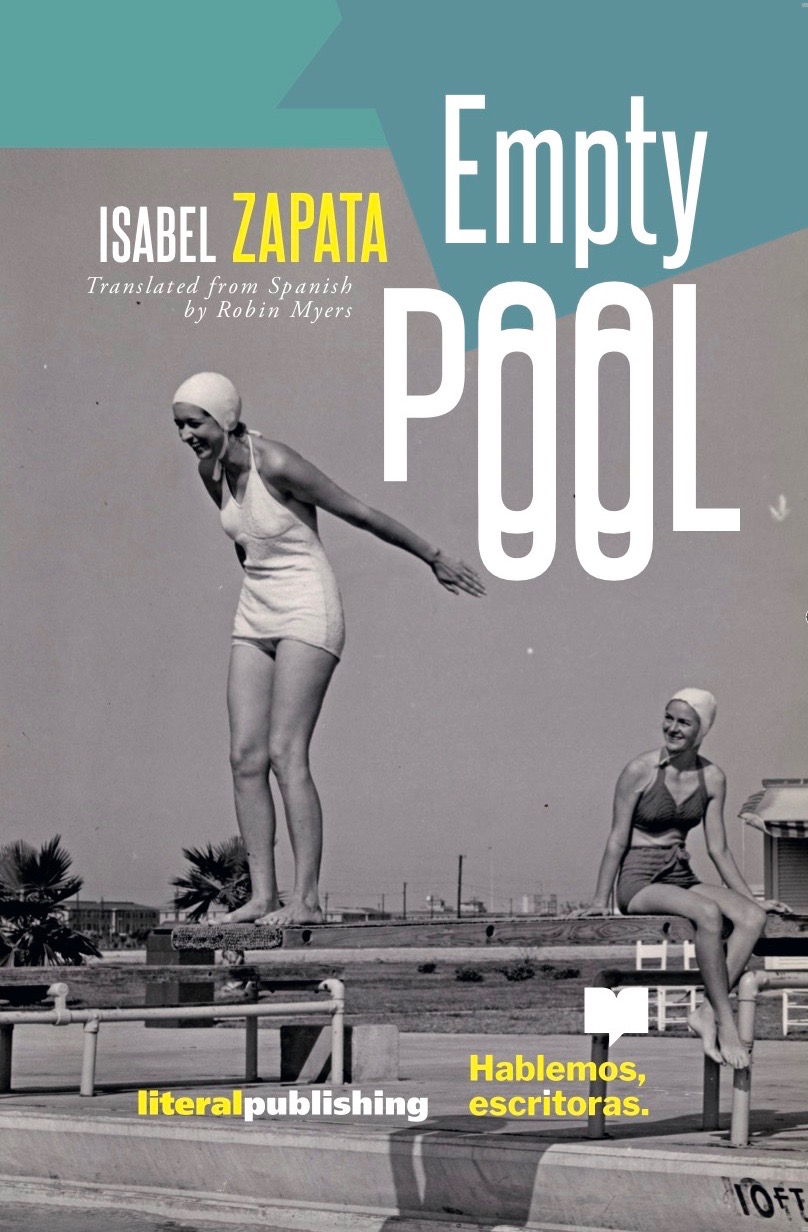
Empty Pool de Isabel Zapata
“Neither essays nor prose poems, the pieces in Empty Pool propose a new genre: the essay poem. Vivid and restless, Zapata’s mind ranges through motherhood, octopi, the Covid pandemic, photography, extinction, dogs, translation, birds, memory, recipes, reading aloud, and people who live as if they are “contestants in a sinister gossip-transmission contest organized by some telecommunications company. Each of these haunting, ephemeral, fragmentary and often funny works, beautifully brought into English by Robin Myers,offers a unique and piercing amalgam of the intellectual energy and engagement of the essay and the verbal agility, silence, and ambiguity of poetry.” Esther Allen
Medio Oriente en México de Rose Mary Salum
Esta antología de cuentos reúne a los escritores descendientes de inmigrantes de raíz árabe, cuyos ancestros llegaron al país a partir de finales del siglo XIX. Entre los autores incluidos están Bárbara Jacobs, Mónica Mansour, Jeannette L. Clariond, Naief Yehya, Rose Mary Espinoza, Pablo Majluf y otros más.
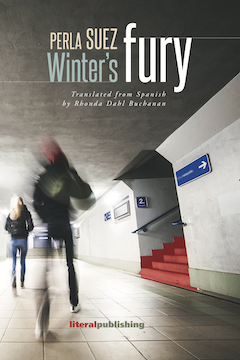
Winter´s Fury by Perla Suez
Translated by Rhonda Dahl Buchanan
Luque flees. Like everyone else, he leaves a past behind, but his is a traumatic one that hounds and ties him down. It is a voracious past that at times casts doubt on his memories, altering them with ominous visions of dark and persistent phantoms.
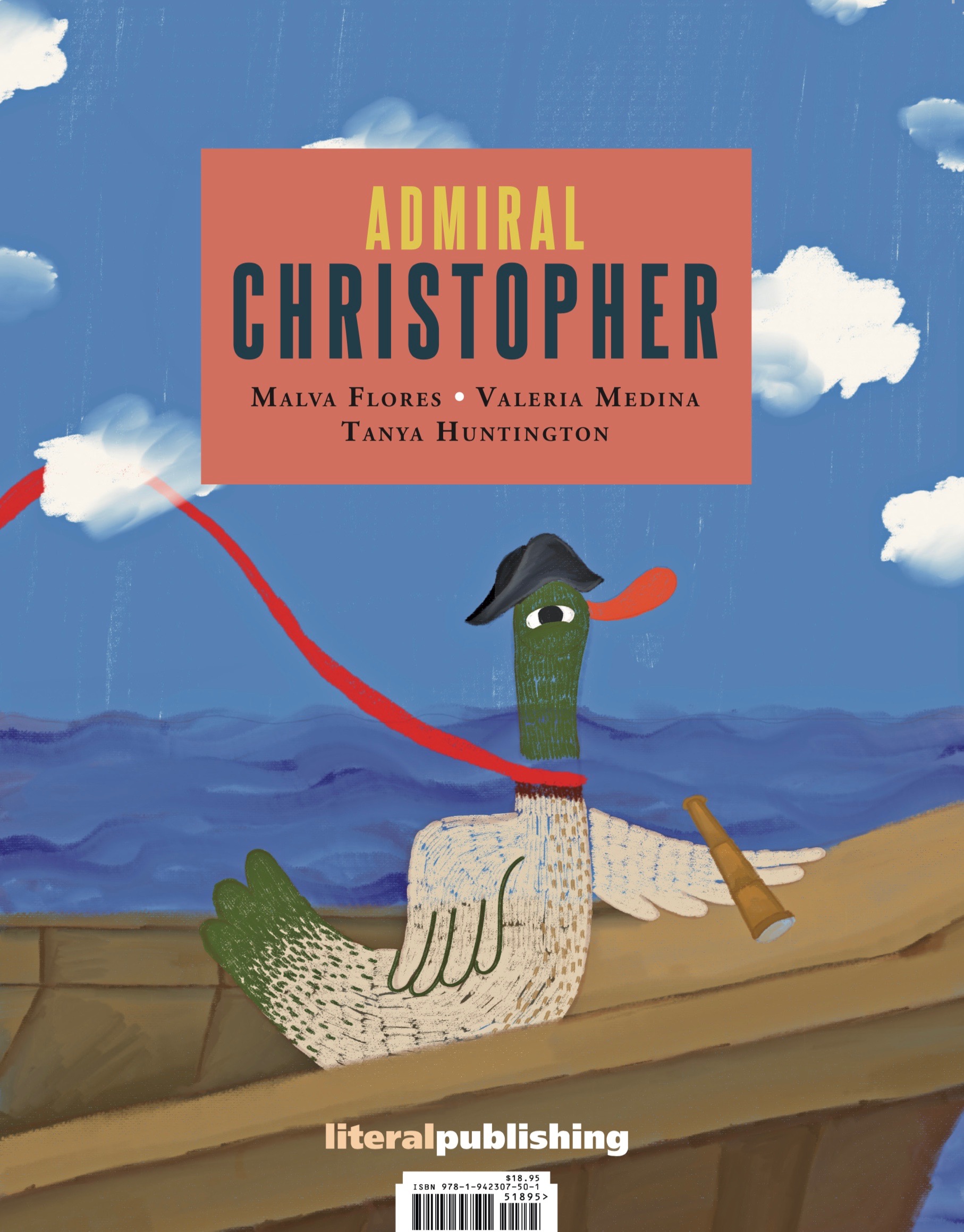
Admiral Christopher / Cristóbal Admirante by Malva Flores
Poemario bilingüe, inglés y español.
This is the sweet and tender bilingual tale of a little duck who lives on the rooftop of a building and is convinced that he is Christopher Columbus, written by internationally acclaimed and award-winning author Malva Flores.
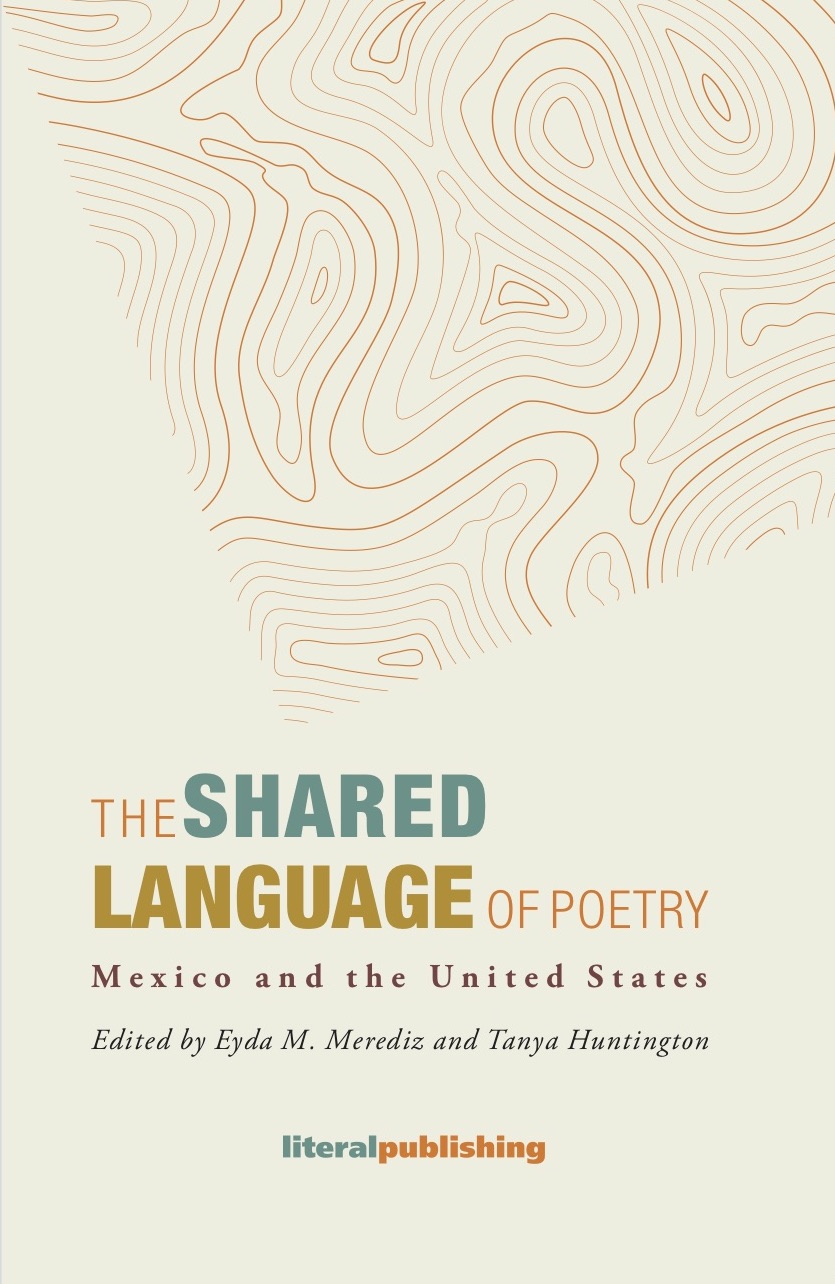
The Shared Language of Poetry: Mexico and the United States by Eyda M. Merediz and Tanya Huntington
Here, fourteen scholars and poets from Mexico and the United States attest to the power of contemporary poetry through essays on topics ranging from “Poetic Breadth in the 21st Century” to “Translation in a Global World,” from “Representing and Defying Affect through the Body Poetic” to the “Linguistic and Geographic Remappings of Indigenous Poetics.” These invigorating texts are complemented by an anthology of verse published in the original languages, as well as in English or Spanish translation. The volume’s intellectual and linguistic diversity offers a vibrant picture of the power of poetry today and for all time.
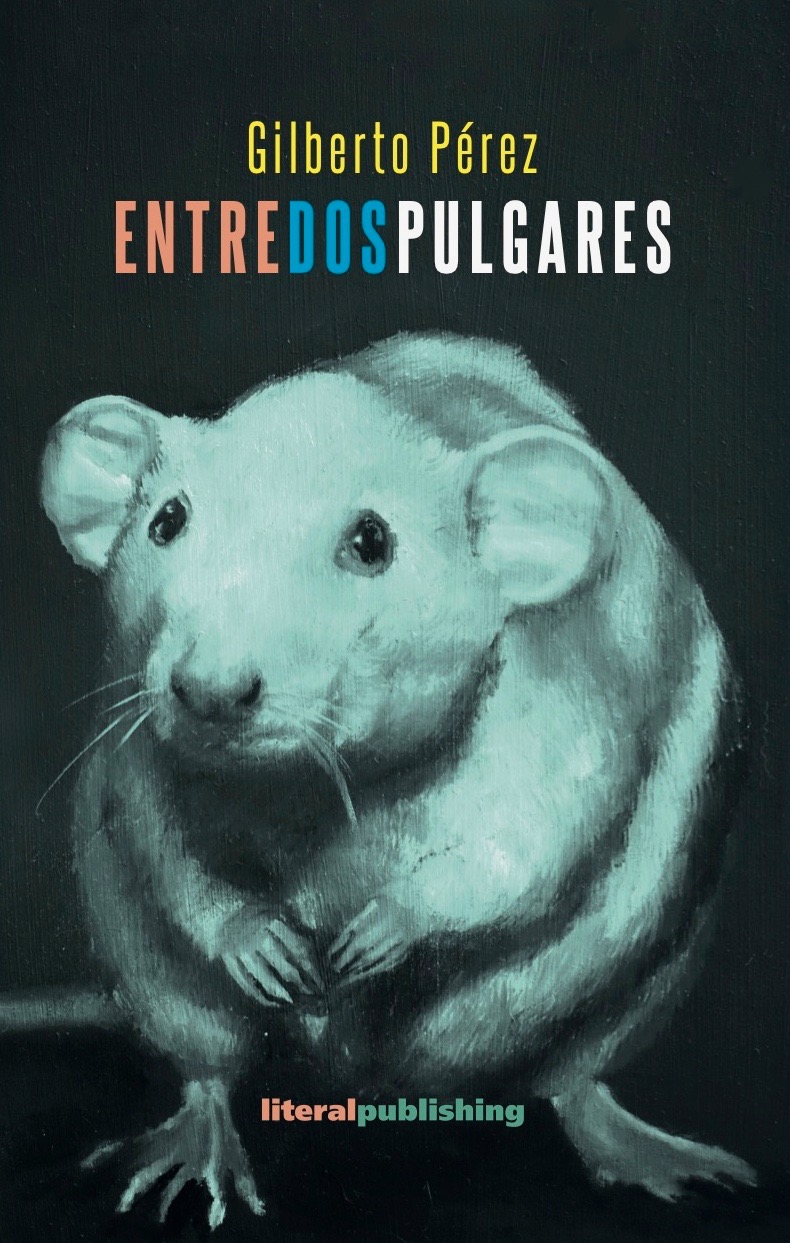
Entre dos pulgares de Gilberto Pérez
“Narradas con un pulso delicado, las historias de Pérez nos sacuden y desdoblan hacia universos que laten entre luces y sombras. Sus personajes deambulan entre lo diáfano y lo nebuloso, porque solo ahí, en la ambigüedad de lo que se ha dicho, la sutileza del silencio, de las imágenes esculpidas y el vacío, es donde podemos reconocernos y aceptar que las categorías a las que nos hemos adscrito no son más que círculos dibujados en la arena, siempre a punto de desaparecer.” Lissete Juárez

In The Name Of The Father by Fernando Operé
Translated by Rhonda Dahl Buchanan
“In The Name of the Father is a memoir to savor like a fine Catena Zapata Malbec. It’s a book you can’t put down, with a new surprise awaiting the reader in each chapter. Fernando Operé’s frankness is formidable, as is the clarity of his intensely poetic prose, splendidly translated to English by Rhonda Dahl Buchanan.” Mempo Giardinelli
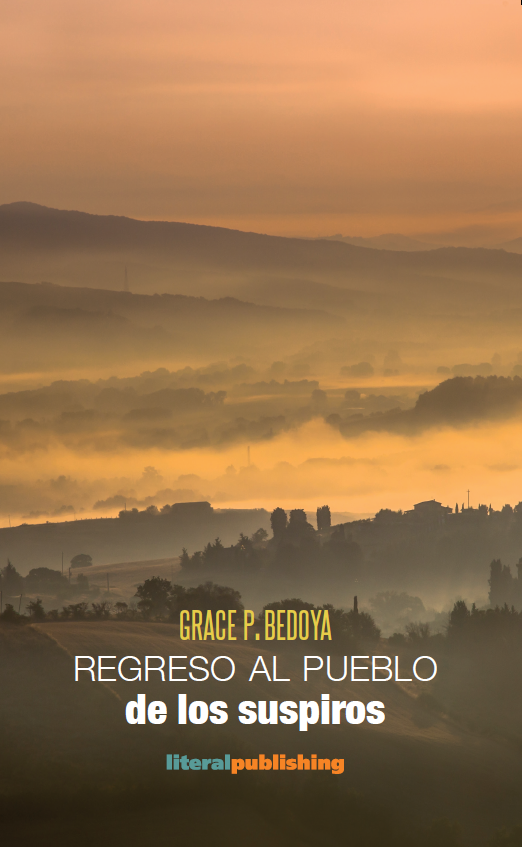
Regreso al pueblo de los suspiros de Grace P. Bedoya
“La ficción inunda la imaginación de don Alonso Quijano y este vive ahora las historias que lee o leyó. El enigma ya es arquetípico e inaugura la imaginación moderna. ¿Qué es real? ¿Qué es ficción? ¿Cuál es la realidad? La novela de Grace P. Bedoya es una historia compuesta de varias historias, una dentro de otra: la escritora transformada en personaje que una mañana –cualquier mañana– despierta y vive lo que escribe o escribió. Cruce de historias y personajes, de lugares y épocas. Hoy es ayer y mañana un día del que ya tenemos memoria. Novela fantástica y cuento breve, relato infantil y anecdotario surreal, Regreso al pueblo de los suspiros es eso: suspiros que son voces, el coro de voces que nos habitan, las que disuelven nuestras vanas nociones entre la vigilia y el sueño, entre tú y yo y entre nosotros todos.” David Medina Portillo.
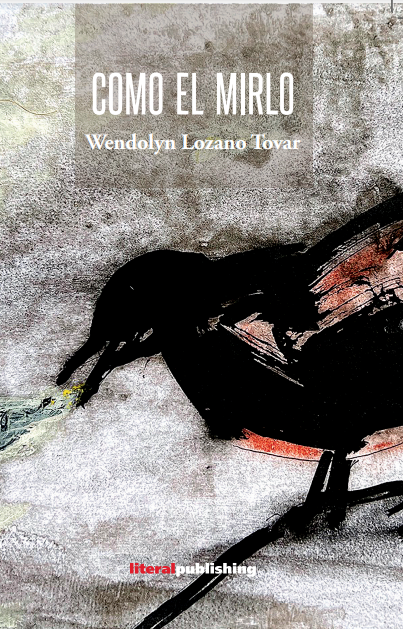
Como el mirlo de Wendolyn Lozano Tovar
“El método de Wendolyn es, metafóricamente, como un acelerador de la materia que nos entrega la evidencia de partículas insospechadas de la existencia. La identidad tradicional explota y se expande: somos y no somos los otros, los mismos, los que vendrán o ya estuvieron. Hazaña poética.” Alberto Ruy Sánchez
Arhythmias by Angelina Muñiz-Huberman
Translated by D.P. Snyder
In 32 poetic essays, award-winning Mexican poet, novelist, and essayist Angelina Muñiz-Huberman takes a stroll through the twentieth century, exploring an era marked by war, exile, and the rise of technology. Born in France of Spanish refugee parents, Muñiz-Huberman’s family established itself in Cuba and then in Mexico as refugees fleeing wars in Europe. In ”The Guts and the Skin” she takes aim at contemporary culture and the hatred of the Other. “Ship to Nowhere”, is the story of the doomed voyage of the St. Louis through the lens of Jewish poet Leo Baum, who plunged to his death in the port of Havana rather return to Europe and certain death at the hands of the Nazis.
 Chamber Canon by Tununa Mecado
Translated by Rhonda Dahl Buchanan
“Argentina has produced yet another great writer. In this intriguing “bedroom canon” deftly translated by Rhonda Dahl Buchanan, the unique Tununa Mercado once again inscribes the feminine with perspectives that defy genre just as her language marks the subversive differences of gender.” / Suzanne Jill Levine
 Agujas / Needles by Gabrela Polit
Translated by Sean Manning
Este grupo poemas mínimos cuentan varias historias. Sus personajes gravitan entre la memoria y la ficción. El carácter lúdico de las palabras es un hilo que atraviesa el ojo de la aguja. El hilo une. La aguja hiere. La memoria se recrea.
***
This collection of short poems recounts various stories whose characters navigate between memoir and fiction. The ludic nature of the words is a thread that passes through the eye of the needle. The thread unites. The needle wounds. Memory is renew.
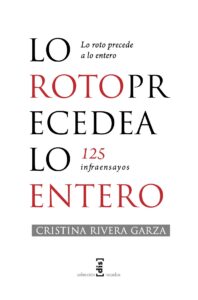
Lo roto precede a lo entero de Cristina Rivera Garza
En el paradigmático año de 1989 se publica, póstumamente, L’Infraordinaire (Lo infraordinario, 2008), de Georges Perec (1936-1982), un libro que coincide con el derrumbe de las grandes narrativas. En él, Perec nos advierte acerca de lo banal, lo ordinario, y lo habitual, los ruidos de fondo, los restos, y lo evidente, y se pregunta cómo explicarlo, cómo interrogarlo, cómo describirlo. A lo infraordinario, Perec le otorgó un estatus distinto a eso que parecía aburrido, sin importancia o valor alguno, y lo propuso como una tentativa para vivir con la curiosidad crítica y festiva, y desde luego feroz, de lo nuevo y lo banal. De forma parecida, los infraensayos aquí reunidos de Cristina Rivera Garza indagan y ahondan en lo que implica escribir hoy a partir de una reconsideración de la minucia cotidiana del trabajo, el quehacer del cuerpo, y el continuo escudriñar de los grumos que sobrevuelan el desastre cotidiano de violencia horrísona.
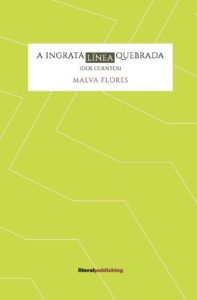
A Ingrata línea quebrada de Malva Flores
“Un tema conductor de la poesía de Malva es el límite y el camino antiguo para volver a casa. Partiendo de esto, la autora abre la primera parte con el personaje de Gretel, la niña extraviada que busca ir a su hogar.”
Elena Gómez de Valle

Rompiendo de otras maneras de Adriana Pacheco
Es urgente recuperar y reconocer el trabajo que hacen desde otros campos artísticos, mujeres que ponen la pauta en la cultura y el conocimiento tales como las cineastas, las periodistas, las dramtaurgas y las performers. Ellas crean conocimiento y detonan cuestionamientos que son vitales para poder vivir en sociedad.
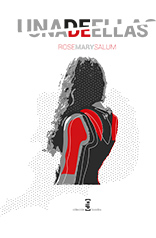
Una de ellas by Rose Mary Salum
“Sus relatos encarnan las ideas que expresó en los textos contenidos en Tres semillas de granada: ensayos desde el inframundo, que publicó Vaso Roto en 2020. Parte de su análisis es sobre las connotaciones que trae consigo el idioma, pues es una cosmovisión del mundo, una forma de relectura de la realidad.” La Jornada

House of Geishas by Ana María Shua
A collection of microfictions, which are stories shorter than a page. This book contains work that is alternately surreal, piercing, dreamlike, and erotic. With adult versions of children’s tales, vignettes that play with history, science fiction, and much more, all of the stories are infused with humor, wordplay, and surprises.

“Ana María Shua (born 1951) is an Argentine writer. She is particularly well known for her work in microfiction. Shua has published over eighty books in numerous genres including novels, short stories, microfiction, poetry, drama, children’s literature, books of humor and Jewish folklore, anthologies, film scripts, journalistic articles, and essays. She has received numerous national and international awards, including a Guggenheim Fellowship, and is one of Argentina’s premier living writers.”
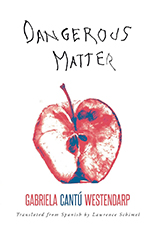
Dangerous Matter by Gabriela Cantú Westendarp
There are people who seem to have made a pact with the devil, people who, although everyone knows full well they ve entered their autumn years, still move as if they were a blossom newly unfurled. Perhaps this attitude is due to their having gone beyond where one can go. Perhaps they re like those beings who, like Butes, faced with the sea, with the song of the sirens, could not hold back and have dived headfrst into life, into the very depths of life and have survived.
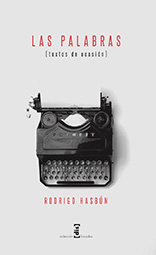 Las Palabras by Rodrigo Hasbun
Rodrigo Hasbún (Cochabamba, 1981). Considerado uno de los más brillantes y prometedores narradores jóvenes en lengua española, tanto por la prestigiosa revista Granta como por el proyecto Bogotá39. Ha publicado los libros de cuentos Las palabras [textos de ocasión]; Cinco; Los días más felices y Cuatro, y las novelas El lugar del cuerpo y Los afectos.

Xerox Man by Ana Escalona Amaré
Rodrigo Hasbún (Cochabamba, 1981). Considerado uno de los más brillantes y prometedores narradores jóvenes en lengua española, tanto por la prestigiosa revista Granta como por el proyecto Bogotá39. Ha publicado los libros de cuentos Las palabras [textos de ocasión]; Cinco; Los días más felices y Cuatro, y las novelas El lugar del cuerpo y Los afectos.
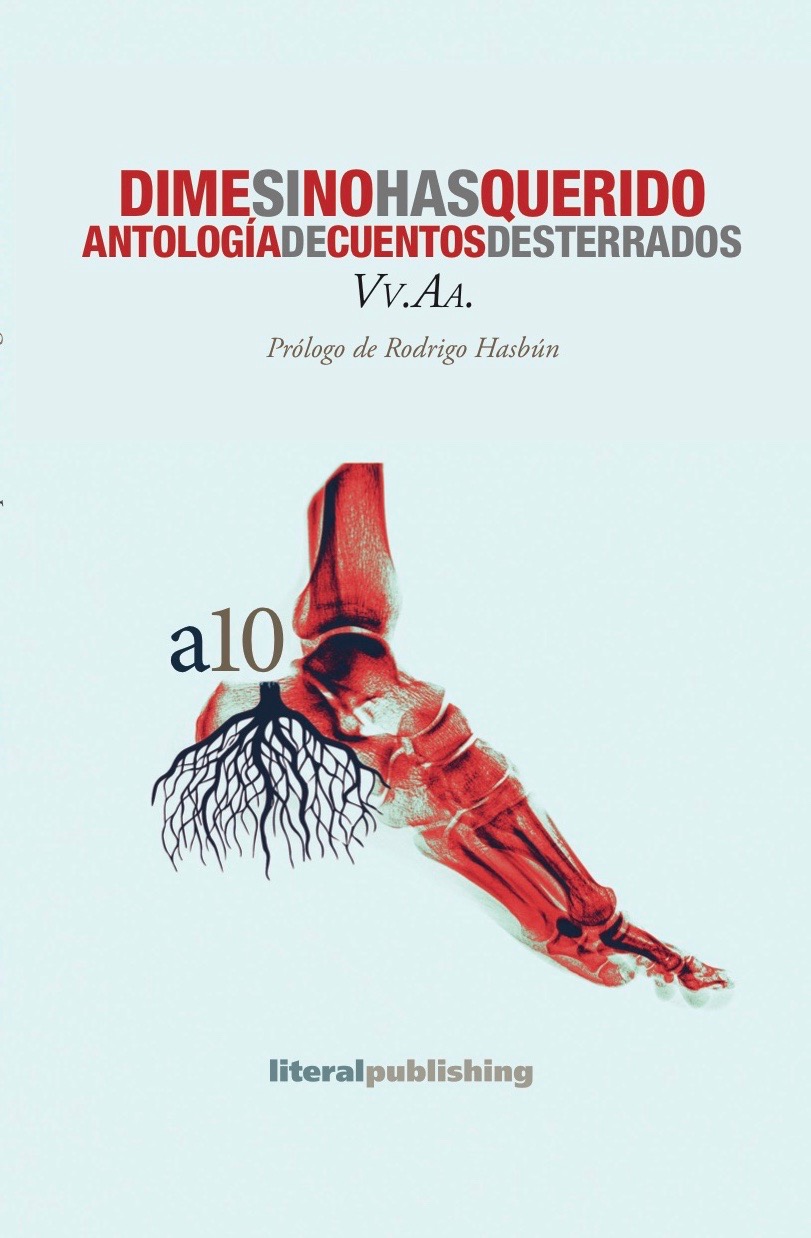 Dime Si No Has Querido by Ilan Stavans
La vida en el extranjero implica vivir entre dos lenguas, una, por ser la propia, busca expresarse en un espacio íntimo, mientras que la otra, la que se nos impone, remite a los vaivenes de nuestra existencia migratoria. El taller de escritura creativa en español, que se lleva a cabo en la sede de Literal Publishing, favorece el espacio interior, el de la lengua materna, el de la expresión de un fenómeno que, por poco común, se antoja único: la escritura en español desde los Estados Unidos.
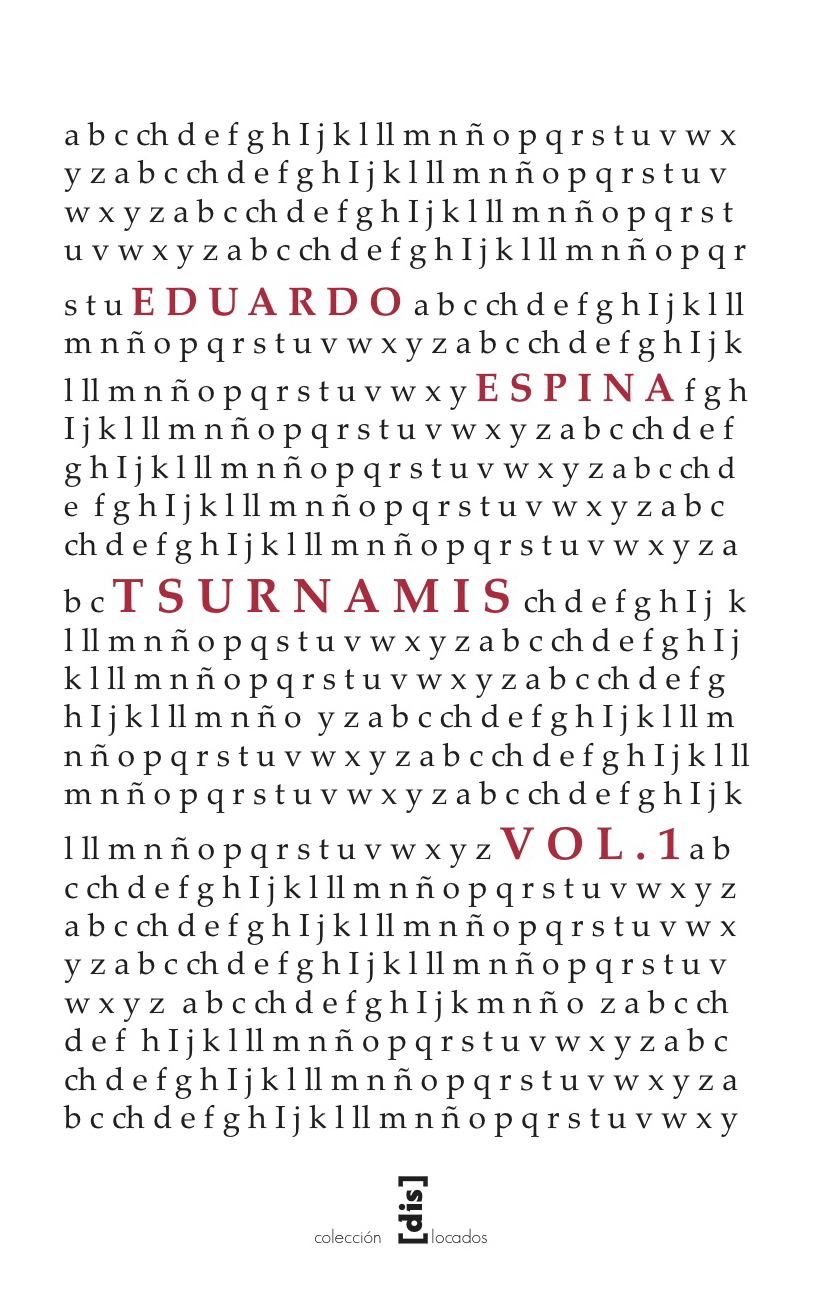
Tsurnamis Vol. 1 by Eduardo Espina
Tsurnamis. Vol. 1 es un libro inclasificable que mezcla géneros como crítica literaria, crónica, ensayo, poesía y diario, generando en el lector la pregunta sobre qué está leyendo. A diferencia de ensayos anteriores de Eduardo Espina, este volumen mantiene cierta unidad temática: todos los textos giran en torno a escritores como Delmira Agustini, Marosa di Giorgio, García Márquez, Octavio Paz, Cortázar, Pacheco, Fuentes, Borges y Benedetti. Con un estilo marcado por la subjetividad autobiográfica —anunciada en el epígrafe de José Martí—, el libro se presenta como una antología de registros diversos que confirma la originalidad y la inteligencia de la escritura de Espina.
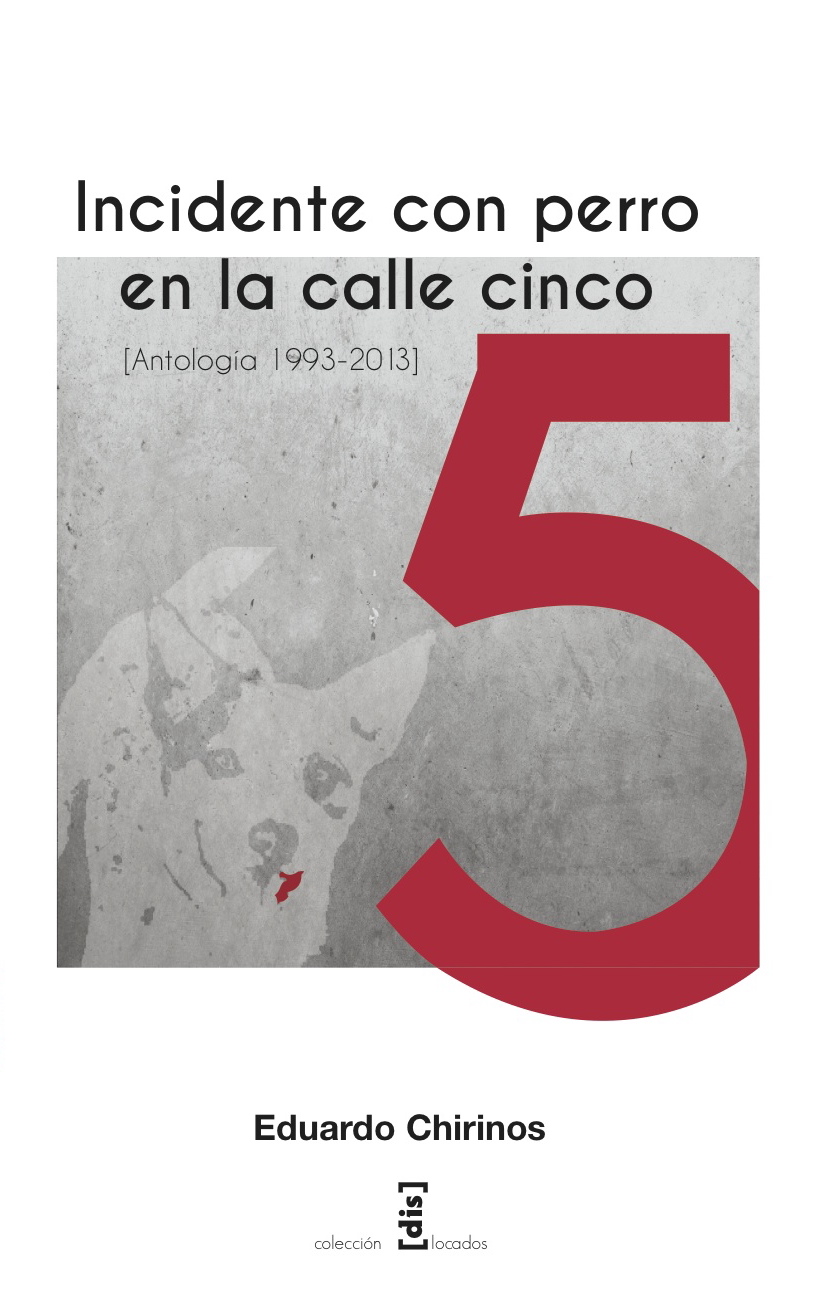
Incidente con perro en la calle cinco by Eduardo Chirinos
Eduardo Chirinos es uno de los poetas peruanos mas sobresalientes entre los surgidos en las ultimas decadas, su diccion crea un mundo muy reconocible y original, sin dejar de ser natural y accesible, como algo que parece formar parte de nuestra propia experiencia. Su vision tiene siempre la inmediatez emotiva de lo que esta expresado en total armoni a con lo percibido. Sus temas dominantes son el amor, los ciclos de la naturaleza, el tiempo y el propio quehacer poetico. Suele tratar esos temas con un tono melancolico y cierto humor lucido. Su poesia es, sobre todo, un profundo acto de conocimiento que se apoya en un riguroso arte de composicion verbal y ritmica; asi crea una linea melodica que podemos reconocer facilmente: trae algo a la vez nuevo y conocido, que reactiva nuestra memoria.

Relatos Enfermos by Javier Guerrero
Relatos enfermos es una antologia reunida por Javier Guerrero que incluye a los siguientes escritores; Silvia Molloy, Margo Glantz, Lina Meruane, Reinaldo Arenas, Sergio Chejfec, Mario Bellatin, DIamela Elttit, Alberto Barrera Tyszka y Alberto Barrera Tyszka .
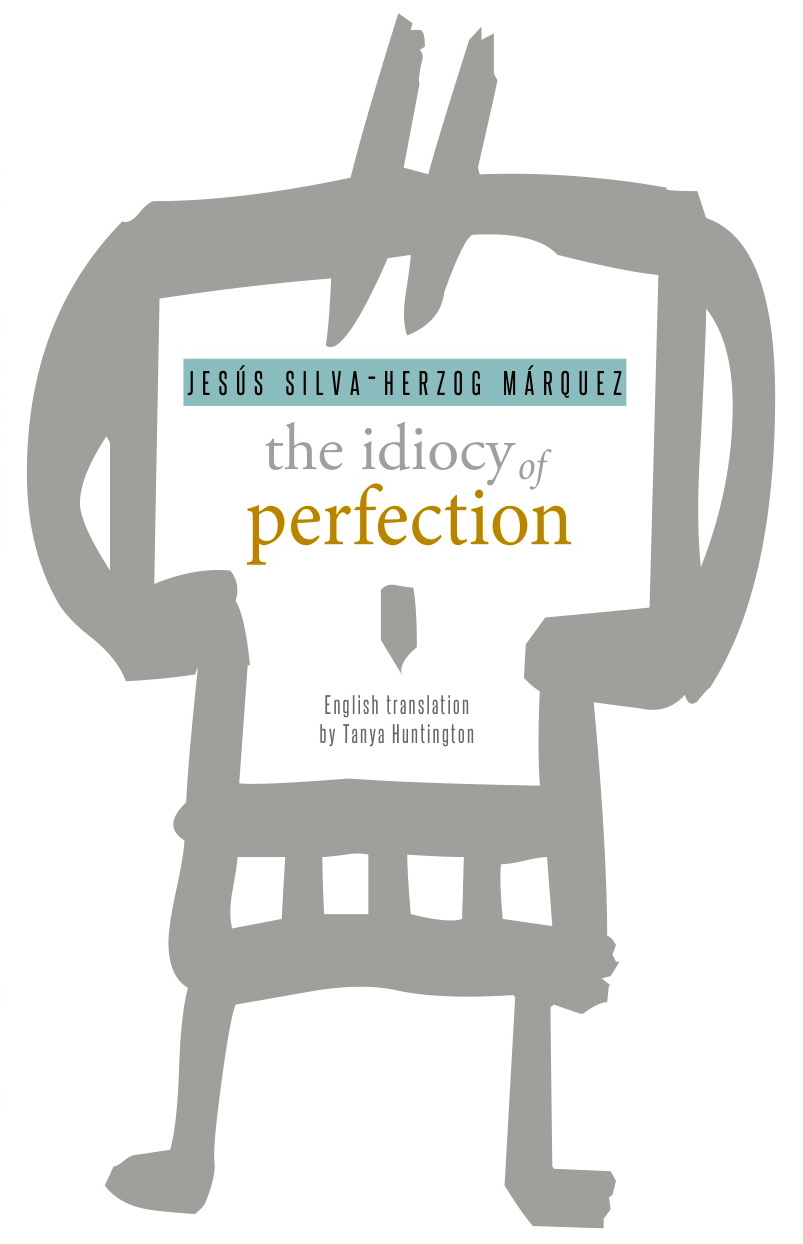
The Idiocy of Perfection by Jesús Silva-Herzog Márquez
The Idiocy of Perfection brings together five essays that reveal five ways of thinking and visions of the world of some of the most influential thinkers of the Twentieth Century. Are politics a sword that lends meaning to our existence, or simply a cruel form of entertainment? War or play, politics as outlined by the authors included in this book are one way of dealing with human imperfection. Politics will always bear the fastidious marks of force, chance, and conflict: those stub- born naysayers of perfection.
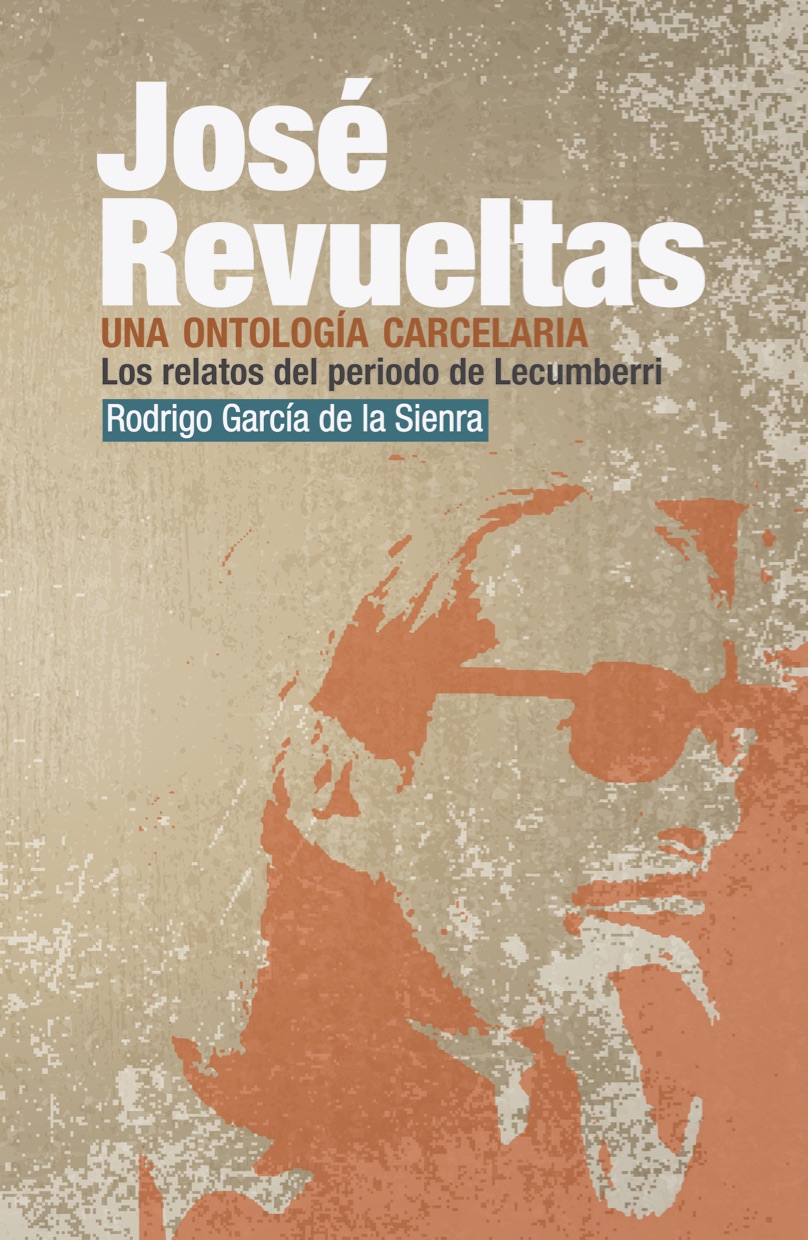 José Revueltas by Rodrigo García de la Sienra
El presente ensayo propone una lectura puntual de la serie de relatos que José Revueltas escribió durante su encarcela – miento en Lecumberri, como resultado de la represión del movimiento estudiantil de 1968. El periodo de Lecumberri representan una audaz apuesta formal, en la que literatura y pensamiento se entrelazan de una manera que obliga a reconsiderar aspectos fundamentales de la obra del escritor duranguense en su conjunto.
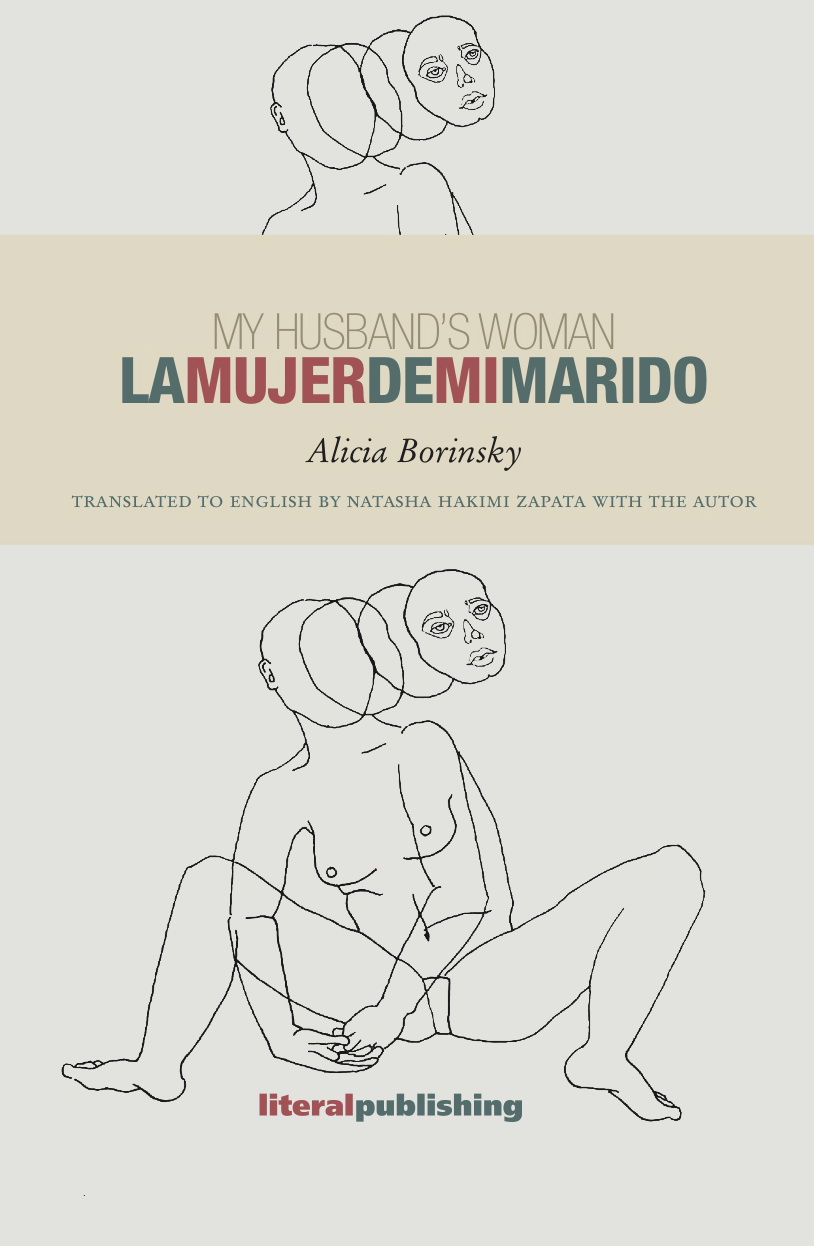 My Husband´s Woman by Alicia Borinsky
“Escribir es traducir,” says Alicia Borinsky as we pore over my translations of her book La mujer de mi marido in a Buenos Aires cafe. I hear Paul Valéry’s echo in the background, “Writing anything at all…is a work of translation exactly comparable to that of transmuting a text from one language into another.” As Natasha Hakimi explains in the Introduction of My Husband´s Woman, translating Borinsky’s poetry while maintaining its musicality has been quite an accomplishement. Literal Publishing is proud to present this collection of poems on a bilingual format.
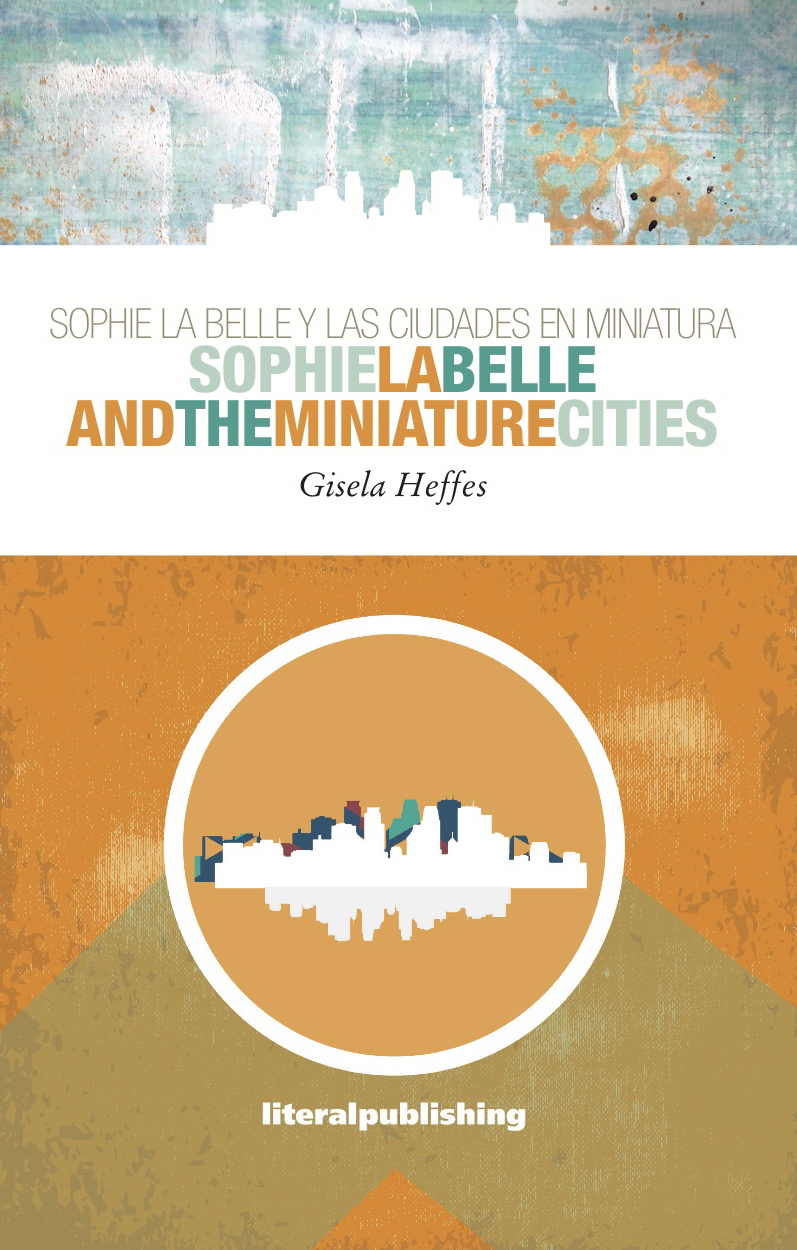 Sophie La Belle and the Miniature Cities by Gisela Heffes
Sophie La Belle and the Miniature Cities is a novella written by Gisela Heffes in 2016. However, this book is more relevant than ever and so, we decided to take to the world of the audiobook in 2023. The novella is a post-modern fairytale that tells the story of Sophie La Belle, a resident of the Continental City who designs miniature cities made out of everyday objects
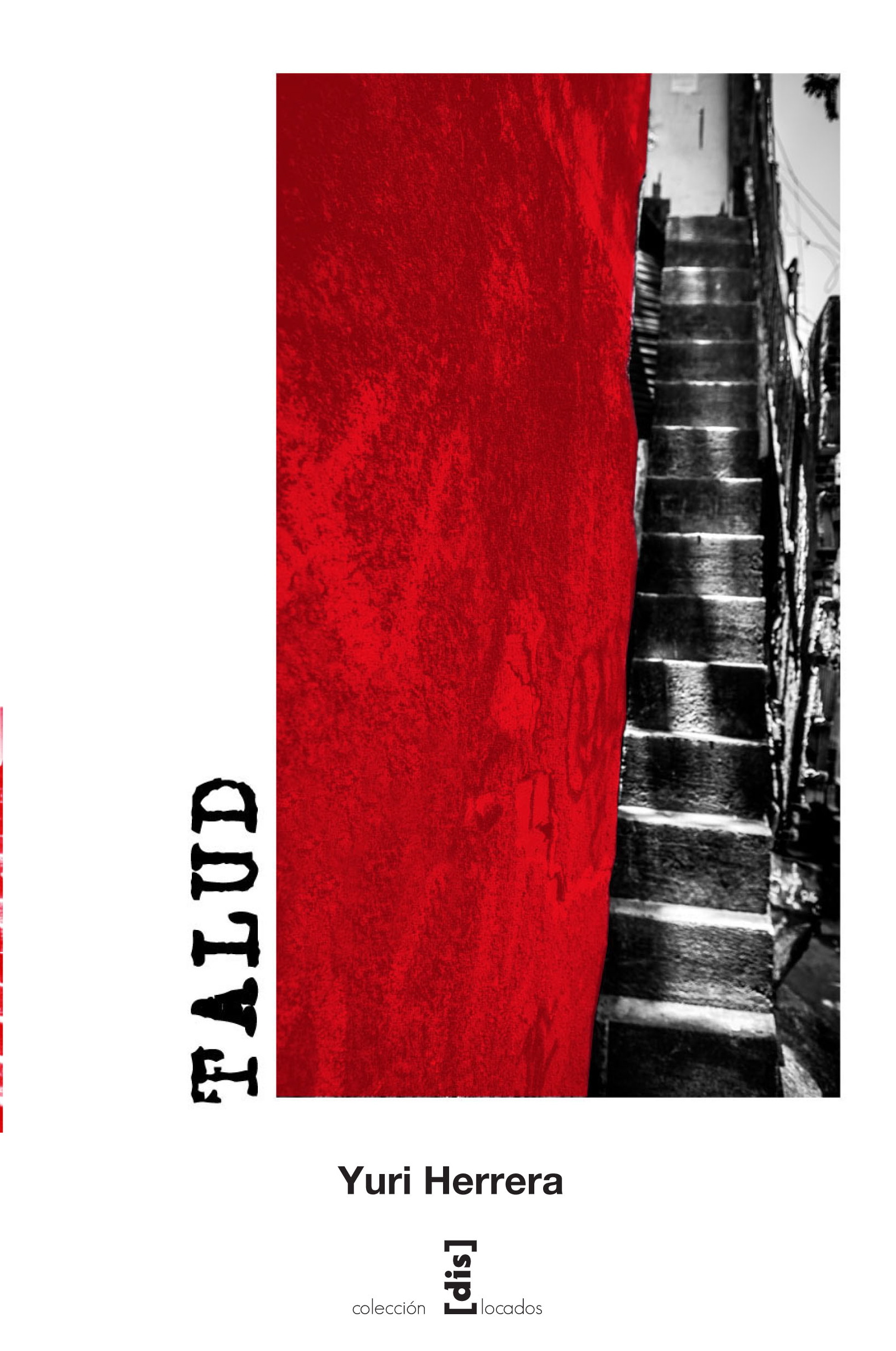
Talud by Yuri Herrera
Sophie La Belle and the Miniature Cities is a novella written by Gisela Heffes in 2016. However, this book is more relevant than ever and so, we decided to take to the world of the audiobook in 2023. The novella is a post-modern fairytale that tells the story of Sophie La Belle, a resident of the Continental City who designs miniature cities made out of everyday objects
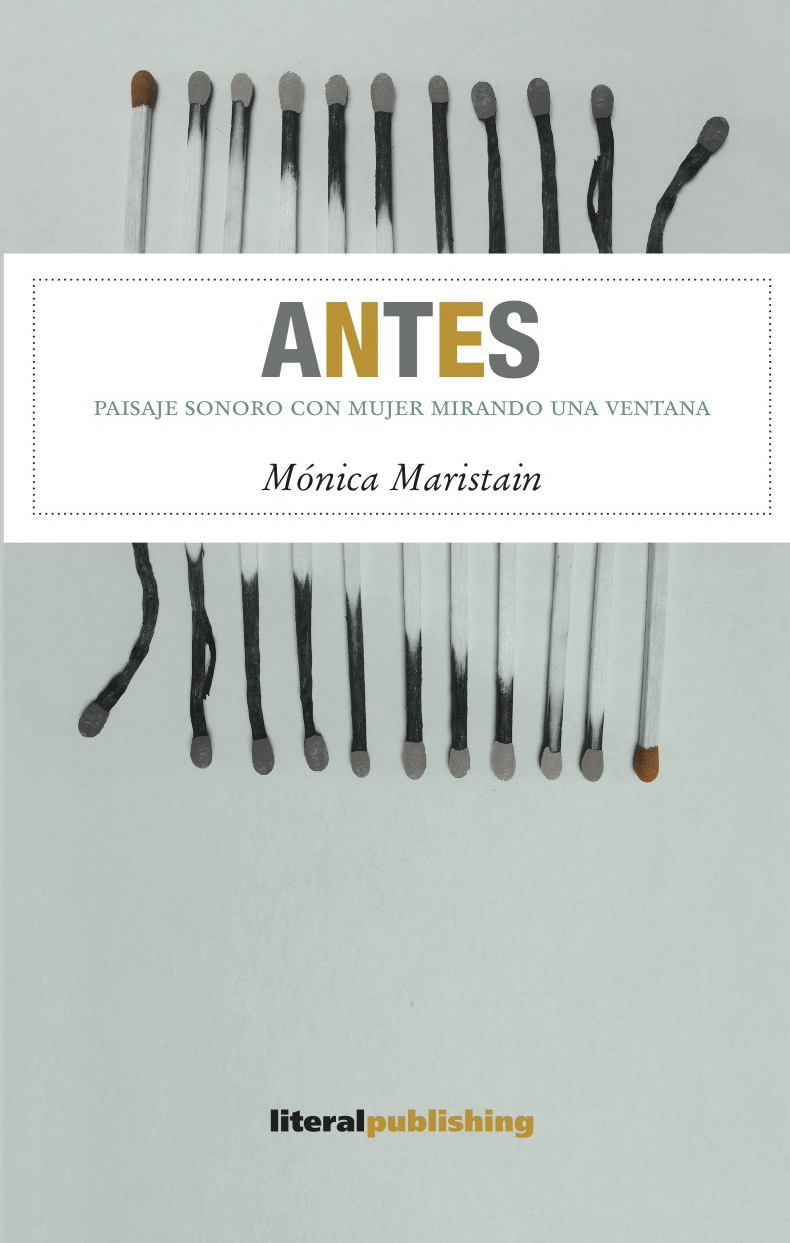 Antes by Mónica Maristain
Antes está cargado de un surrealismo que es, más bien, “su realismo”, si me permiten un mal chiste —y no solo porque revela que la poeta fantasea con encontrarse en una isla desierta con Jeremy Irons. Nos sugiere Maristain que cada imagen que escribe pertenece a esa realidad suya atiborrada de detalles, los cuales podrían haber pasado inadvertidos si no fuera porque los ha registrado. Como por ejemplo, el color de la funda del violín que carga una chica que pasa en la calle (violeta), el tipo de agua que se bebe para experimentar la acidez (de burbujas con limón), la altura de los zapatos (de plataforma), cómo lucen los dientes (disparejos), cómo son las flores (mustias), qué les pasa a los vidrios (están rotos).
In Vía, In Patria by Mabel Cuesta
Antes está cargado de un surrealismo que es, más bien, “su realismo”, si me permiten un mal chiste —y no solo porque revela que la poeta fantasea con encontrarse en una isla desierta con Jeremy Irons. Nos sugiere Maristain que cada imagen que escribe pertenece a esa realidad suya atiborrada de detalles, los cuales podrían haber pasado inadvertidos si no fuera porque los ha registrado. Como por ejemplo, el color de la funda del violín que carga una chica que pasa en la calle (violeta), el tipo de agua que se bebe para experimentar la acidez (de burbujas con limón), la altura de los zapatos (de plataforma), cómo lucen los dientes (disparejos), cómo son las flores (mustias), qué les pasa a los vidrios (están rotos).
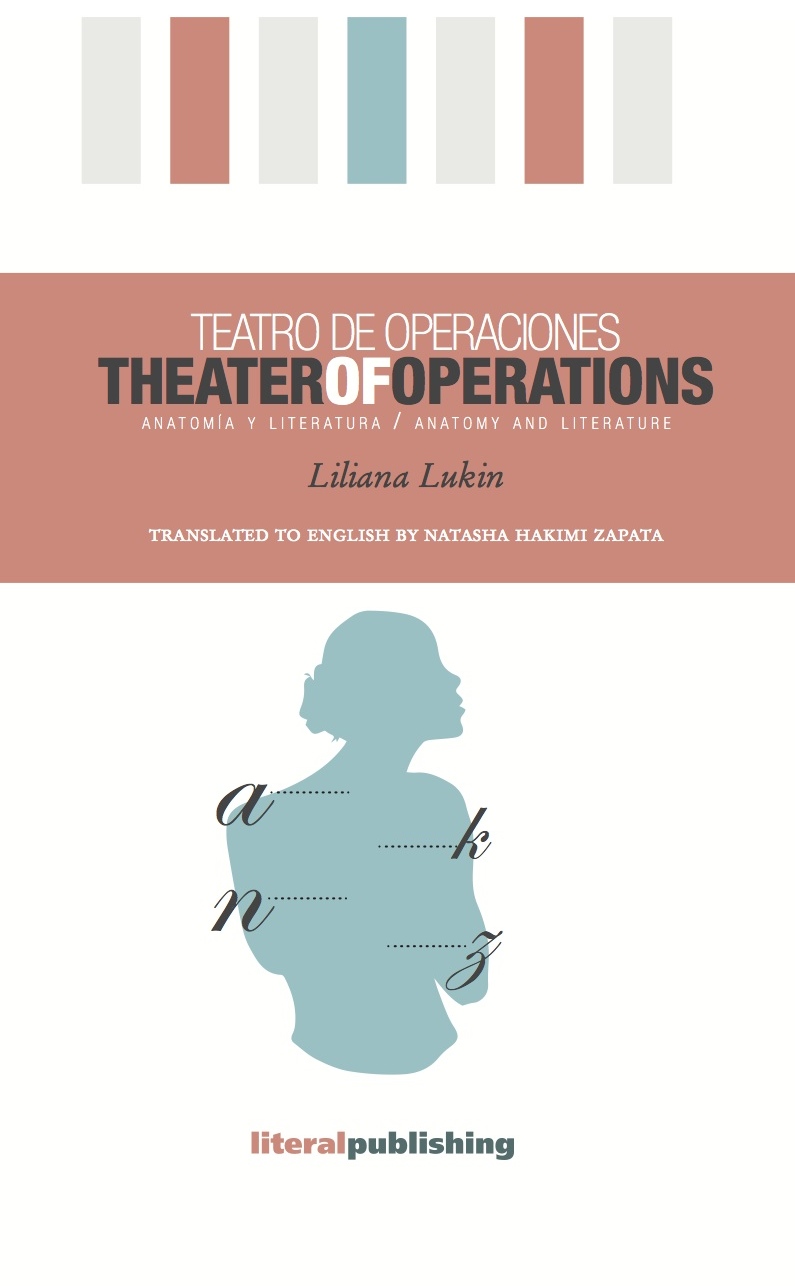 Teatro de Operaciones by Luliana Lukin
Homer Newbody bursts upon the Major League Baseball scene by throwing no-hitters in his first two starts. But living his lifelong dream soon has its drawbacks when he announces to the world he would be happy to play for nothing. Soon, teammates, opponents, the media, the cynics turn on him. Is Homer for real? You don’t have to be a baseball fan to enjoy this page-turning novel of an American hero.
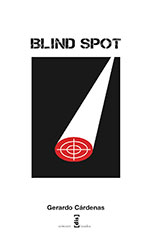
Blind Spotby Gerardo Cárdenas
Literal Publishing , Rice University y P&W se complacen en invitarlos a la presentación y lectura de poemas y lectura dramatizada del libro Blind Spot de Gerardo Cárdenas. Esperamos poder contar con su presencia.
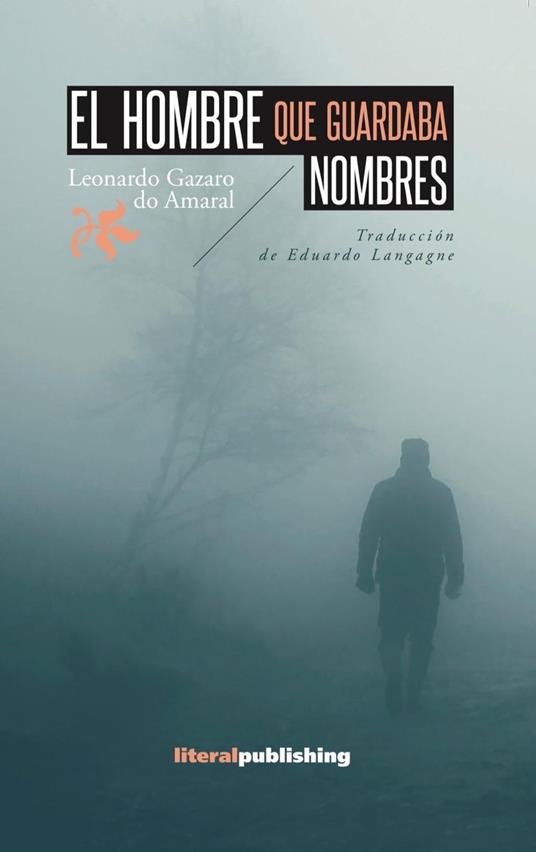 El hombre que guardaba nombres de Leonardo Gazaro
“Leonardo Garzaro recrea la historia de Brasil a través de la idiosincrasia del ser humano, sus deseos, aspiraciones, maldad que lo llevan a un destino, esperado o equivocado, en función de su nombre. Una obra bien construida que dibuja un mapa de las actitudes humanas hacia el mundo. Historia, fantasía, realidad, reflexión y crítica social hacen de este libro un fiel reflejo de nuestro universo humano.”
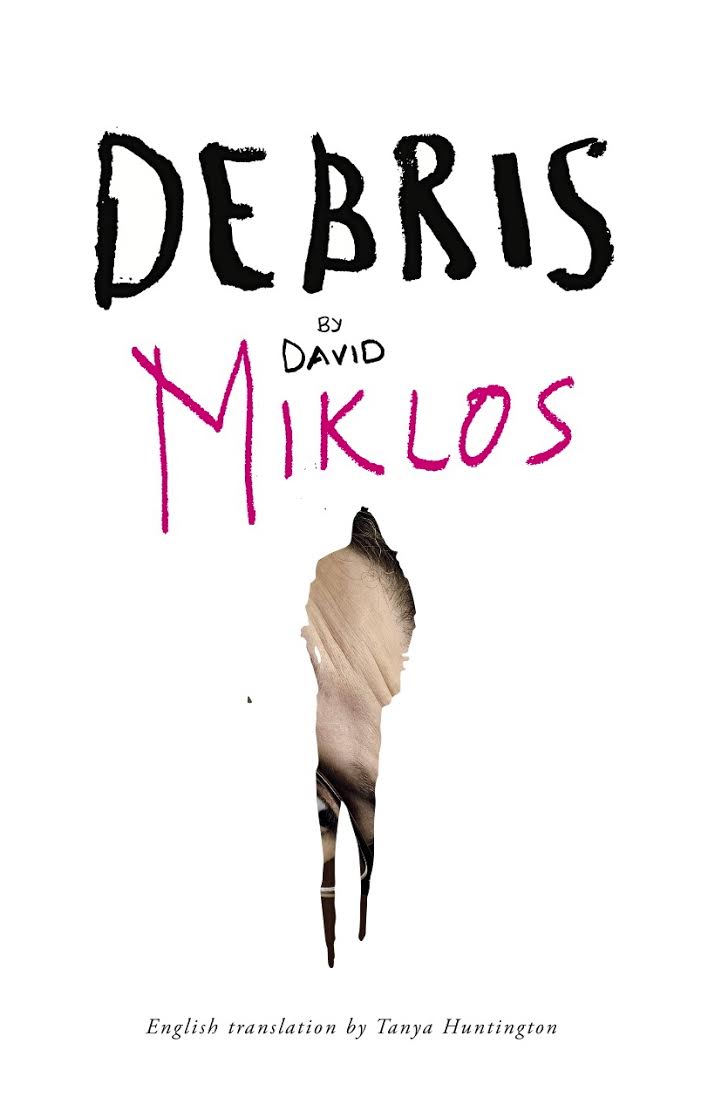
“Debris finds itself among what I believe deserves to last, as a book that allows (and sometimes, even demands) rereading.”
______________________________Christopher Domínguez Michael
Debris is a rarity. Debris is an unusual gamble.
____________________________________________Antonio Ortuño
A turn of the screw from magical realism, Debris is a novel where everything is unique, yet repeats itself indefinitely.
________________________________________________Alan Pauls
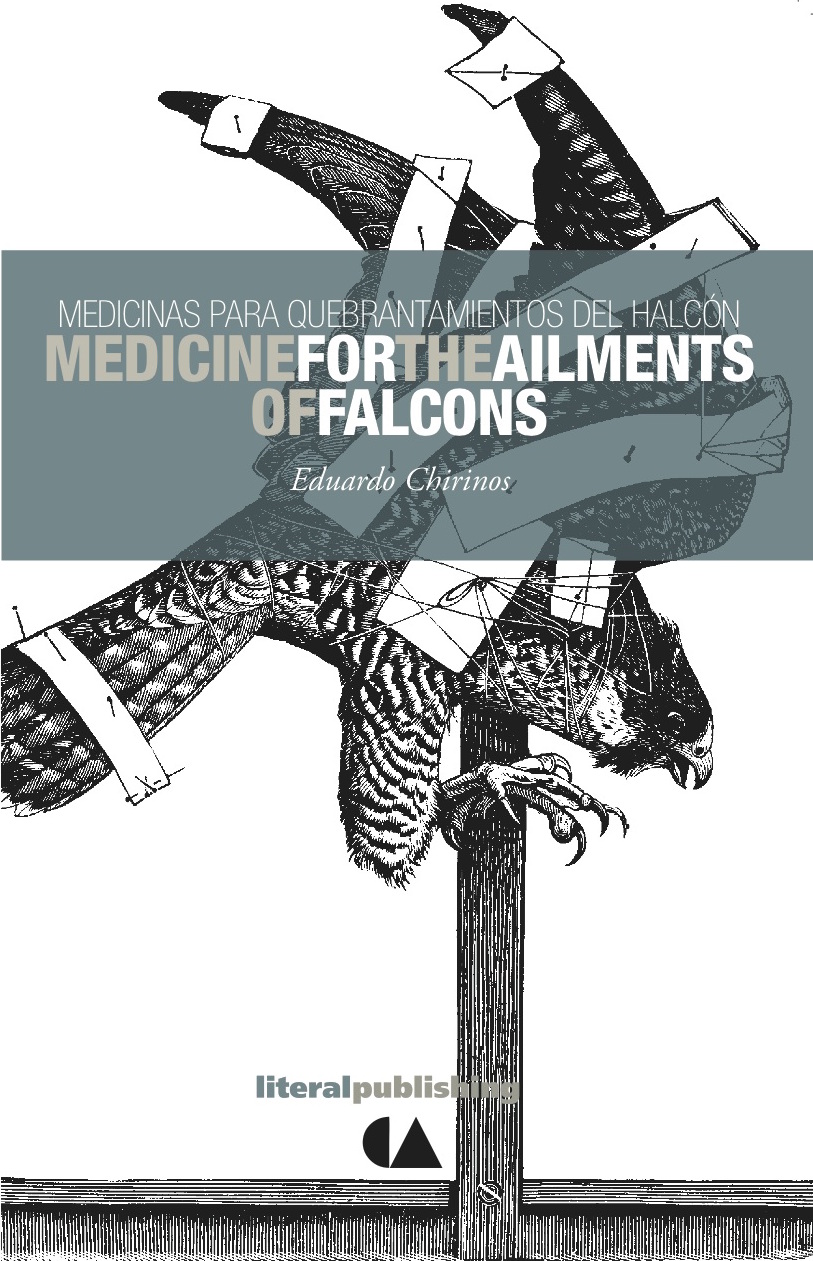
Medicinas para el quebrantamiento del halcón de Eduardo Chirinos
“A mediados de agosto de 1385 el Canciller Pero López de Ayala fue tomado prisionero por el ejército portugués que defendía Lisboa del cerco castellano. En lugar de ser repatriado, como se hizo con la mayoría de prisioneros, el Canciller fue encarcelado en Leiria y luego en Óvidos mientras llegaban de Madrid las 30,000 doblas de oro exigidas por su rescate. En esos dos años y medio López de Ayala evitó referirse a su condición de prisionero en tierra extranjera, antes bien decidió escribir lo que la historia considera sus obras mayores: el Rimado de Palacio y el Libro de la Caza de las Aves. No me detendré aquí en las claves que ofrecen estos libros para hablar de tan prolongado cautiverio. Sólo diré que seiscientos veintisiete años después, mi cuerpo albergó un inquilino resuelto a suplantarme, a apoderarse de lo que es más íntimamente mío, a desordenar mis hábitos nocturnos, a alborotar tenazmente mi biblioteca. Escribí estos poemas prisionero de ese inquilino, bajo el oscuro aletazo de un cuervo mordaz y exigente. O de un halcón que reclamaba, como yo, medicinas para curar sus dolencias y aliviar sus quebrantamientos.”
Eduardo Chirinos
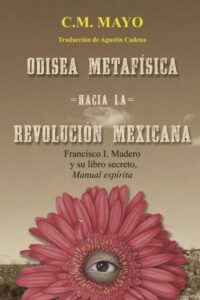
Odisea metafísica de C.M. Mayo
En una mezcla de géneros en la que coinciden la biografía, el ensayo personal y la investigación académica sobre la historia de México y de la metafísica, C.M. Mayo nos ofrece una introducción polifónica al Manual espírita de Francisco I. Madero, líder de la Revolución de 1910 y presidente de México 1911-1913.
“En mis quince años que llevo investigando la vida del presidente Francisco I. Madero nunca he leído un libro más completo del que acaba de escribir C.M. Mayo, simplemente sorprende a cualquier lector, la investigación es impecable y su narrativa es redonda”.
Manuel Guerra de Luna, autor de Los Madero. La Saga Liberal
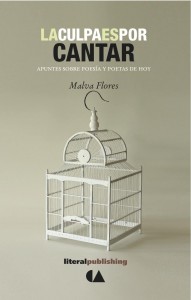 La culpa es por cantar de Malva Flores
“Algo de lo mucho que se ha dicho sobre aquél momento se me quedó grabado: “todos podíamos ser artistas”. Más de cinoc décadas después, parece una realidad que va salatando de rama en rama, de muro en muro, de tuit en tuit. La distancia entre la poesía y la calle àrece que se acorta y nunca como hoy es cierto aquello de que todo está en todo. Tal vez por ello, en el paisaje de la poesía ya no es políticamente correcto distinguir las liebres de los gatos, porque ya no hay liebres, ni gatos sino un animal mestizo”.
Malva Flores
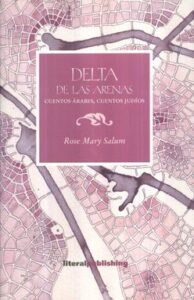
Delta de las arenas, cuentos árabes, cuentos judíos de Rose Mary Salum
“No encuentro razones por las que un trabajo de esta naturaleza no debería existir, a pesar de los conflictos que las generaciones más recientes hemos presenciado. Si algo nos resta libertad, ese “algo” se encuentra en el espacio imaginativo, en esos microsegundos que preceden el momento del albedrío individual. Aquí no tenemos un Thought Police orweliano. Esta antología sólo confirmaría que América Latina ha ido abrazando las oleadas de inmigrantes y las ha integrado a su seno; que ha adecuado su identidad al influjo y los aportes de diversas etnias y culturas. Este trabajo tendría su razón de ser porque en él navegarían escritores vivos de ambos linajes reflexionando y, quizá, bordando sus historias sobre las delicadas aguas de la existencia y su origen. Tan próximo1 que allí radicaría la justificación para una compilación de estas características.”
Rose Mary Salum

La Migración y sus narraciones de Rodrigo García de la Sienra y Raquel Velasco
“La migración y sus narraciones es un esfuerzo colectivo que emana del proyecto Fronteras poéticas donde de México a Alemania, de Argentina a Francia, de Perú a España,se analizan las variables de la diáspora para indagar, desde la literatura, acerca de la construcción de nuestro origen cambiante y transitorio, sin duda sensible a esa pulsión genética que invita a traspasar los límites.”
Rodrigo García de la Sienra y Raquel Velasco
COLECCIÖN LATERAL (bilingüe)
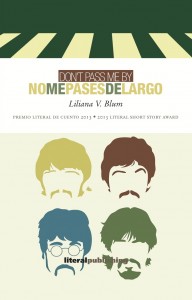 Don’t Pass Me By / No me pases de largo de Liliana V. Blum
I learned of Lucio’s death from Henry Morgan, his best friend and our high school classmate. He sent a text to my mobile phone early in the day; I was biting into a piece of toast with peanut butter and debating if I should dunk it in my coffee or do the polite thing. The phone rang like glass breaking. Every time I heard it, in my mind I saw a stone wrapped in a note fly through the window. With my free hand, I pressed the button and read. Just six words: What do you know about Lucio?
Liliana V. Blum
“Me enteré de la muerte de Lucio por Henry Morgan, su mejor amigo y compañero nuestro en la preparatoria. Man- dó un mensaje de texto a mi celular muy temprano; yo estaba mordiendo un pan con mantequilla de cacahuate y debatiéndome entre sopearlo en el café o hacer lo correcto. El teléfono sonó con el efecto de un cristal roto. Siempre que lo escuchaba, en mi mente veía una piedra con un pe- dazo de papel atravesando la ventana. Con mi mano libre apreté un botón y lo leí. Sólo cuatro palabras: ¿Qué sabes de Lucio?”
Liliana V. Blum
COLECCIÖN LATERAL (bilingüe)
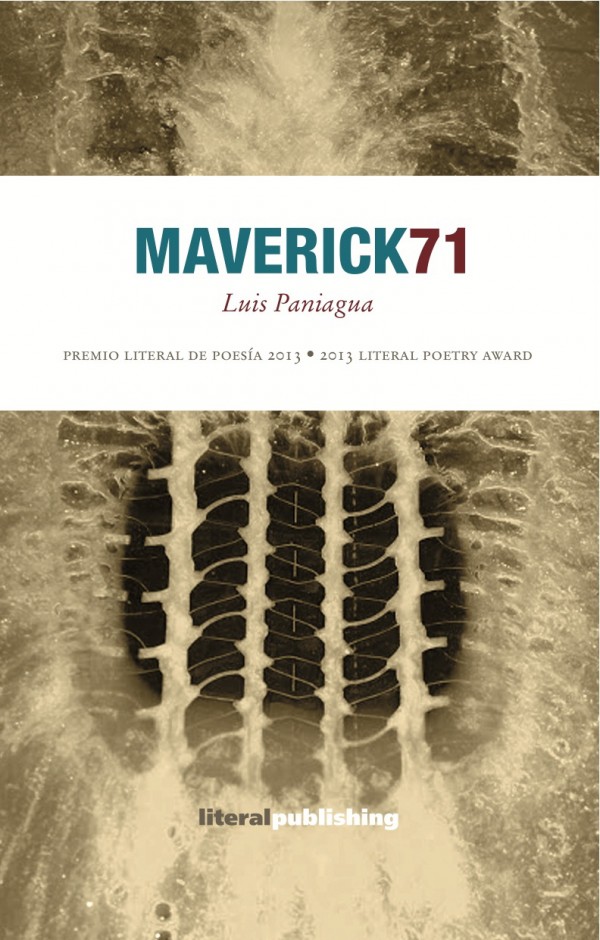 Maverick 71 de Luis Paniagua
” ’71 Maverick is a lesson in good rhetorical manufacture, terse colloquialism, versified narrative, serene experimentation. But it is also an exercise in psychological depth, in the expansion of memory multiplied into tropes; it is a poem that does not sur- render to either grace or disgrace. The figure of The Pilot–whom, deep down, I consider to be a simile for The Poet, taking every deadly curve represented by every enjambment, or every verse, with unstoppable elegance–seems to me a notable find in the midst of a discourse that unfolds somewhere between clarity and nightmarishness.”
Julián Herbert
“Maverick 71 es una lección de buena factura retórica, de colo- quialismo terso, de narrativa versificada, de experimentación se- rena. Pero es también un ejercicio de profundidad psicológica, de expansión de la memoria multiplicada en tropos; un poema que no claudica ni frente a la gracia ni frente al desgarramiento. La figura de El Piloto –que en mi fuero interno concibo como símil de El Poeta, tomando con elegancia desenfrenada la curva mortal que representa cada encabalgamiento, cada estrofa– me parece un notable hallazgo en medio de un discurso que se desenvuelve entre la claridad y la pesadilla.”
Julián Herbert
COLECCIÖN LATERAL (bilingüe)
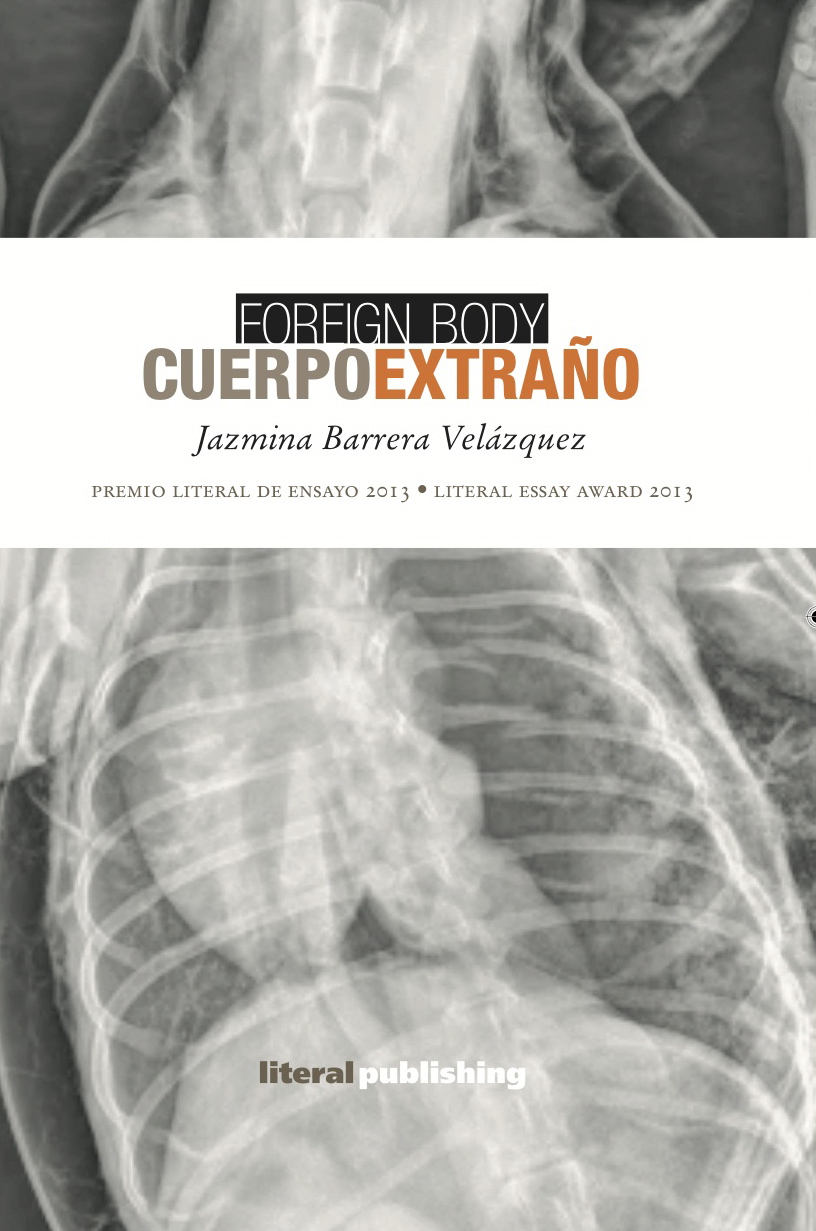 Foreign Body / Cuerpo extraño de Jazmina Barrera Velázquez
With this collection of compact and luminous essays, Barrera manages to place the reader before the quotidian mirror and in- terrogate him: is this shell of flesh and bone a temporary shelter, as some religions postulate? Or, perhaps more accurately: isn’t the body a “spirit in disguise?”
Verónica Murguía
Con este puñado de ensayos, compactos y luminosos, Barrera logra colocar al lector ante el espejo cotidiano e interrogarlo: ¿es esta armazón de carne y hueso una morada temporal, como lo postulan algunas religiones? O, quizás con más precisión: ¿no es acaso el cuerpo “un espíritu que va de incógnito”?
Verónica Murguía
COLECCIÖN LATERAL (bilingüe)
 The Little Queen of Pop Has Not Died / La reinita no ha muerto de Criseida Santos Guevara
“I saw her and she saw me. We saw each other. And I went nuts. Should I go talk to her? No, better not. But she s got short hair. And she looked at me. Maybe she didn t look at me like that, but she looked at me. She looked at me quickly, like her glance had gotten stuck, like a coat that gets snagged on something and then you have to free it up. I must have been looking at her really intensely because she turned and her expression was one of inquiry, a why-are-you-looking-at-me kind of look. Yep. Maybe that s why she looked at me, because she copped to it. But it wasn t like other glances, it wasn t saying stop looking at me; it was surprise that I was looking at her that way. I saw her and she saw me.”
Criseida Santos
En esta novela de Criseida Santos Guevara se presenta el viaje físico y heróico de una mujer de imaginación desbordante que busca un lugar conocido dentro de una geografía ajena.
COLECCIÖN LATERAL (bilingüe)
 Submerged • Alternative Cuban Cinema /
Sumergido • Cine alternativo cubano de Luis Duno-Gottberg y Michael J. Horswell
“Submerged is a provocation that pushes us to think critically about a production–independent, alternative, subterranean and, most appropriately, underwater–as it exists in the process of revision and reconstruction in times when cinema is changing irreversibly.”
“Sumergido esgrime una provocación crítica para pensar una producción –independiente, alternativa, subterránea, o más bien, Luis Duno-Gottberg & Michael J. Horswell y nunca mejor dicho, subacuática– en pleno proceso de revisión y en obra, en tiempos en los que el cine ha cambiado de manera irreversible.”
COLECCIÓN BILINGÜE
Return is a bilingual poetry book that offers enigmatic, interesting duplicities. On the one hand, Return, besides representing that lapidary noun that implies going back (to the origin in a broad sense: to germinal principles, to the place of birth, to the mother tongue and the immediate reality that gave shape to the past, in brief), is a verb that lacking a subject, remains imperative: calling out to someone, urging them to return). On the other hand, El regreso, being a noun that lack the mobility of the verb, seems to infer something already consummated or about to be consummated; at any rated, it is a fact which the language itself, Spanish, will make concrete.
 Passage of the Tree by Malva Flores
Malva Flores’ gaze goes towards the inside. It’s the gaze of remembrance: more than to think, it agrees to feel, in the noblest sense of this term, so unjustly disdained by some contemporary poetry. In it, the affective goes beforehand and, with the affective, an air of elegy, of nostalgia, where as soon as Love puts its saving head out, devastating Death’s does the same. / La mirada de Malva Flores se dirige hacia adentro. Es la mirada del recuerdo que, más que a pensar, accede a sentir, en la acepción más noble de este vocablo tan injustamente desdeñado por cierta poesía contemporánea. Lo afectivo prima en ella, y con lo afectivo, un aire de elegía, de añoranza, donde tan pronto asoma la cabeza salvadora el Amor como la suya, devastadora, la Muerte.
Orlando González Esteva
The scented swaying voice of the poet who talks in Passage of the Tree also subscribes a tattered speech flooded by clarity. It is a clarity at once cordial and sensible that knows how to extract from the well of memory the diverse barks of straight memento to celebrate and question the world. With sensible dexterity, she—the voice—keeps transcending the experience at the same time that she saves it in the wandering air of the spell. Eloquent voice that knows how to leap from phrase to phrase, from branch to branch, each time with a different accent, as if she knew that the pitch and the colour of those written fruits had its origin in a specific root –dreamed or lived. / La aromada voz ondulante de la poeta que habla en Mudanza del árbol también suscribe un discurso desgarrado e inundado por la claridad. Se trata de una claridad a la par cordial y sensitiva, que sabe extraer del pozo de la memoria las diversas cortezas del recuerdo erguido para celebrar e interrogar al mundo. Con sensitiva destreza va ella —la voz— trascendiendo la experiencia al tiempo que la salva en el vagaroso aire del ensalmo. Voz elocuente que sabe saltar de frase en frase, de rama en rama con un acento distinto cada vez, como si supiera que el tono y el color de esos frutos escritos tuviesen su origen en cierta raíz soñada o vivida.
Adolfo Castañón
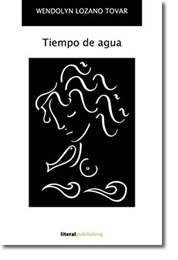 Tiempo de agua de Wendolyn Lozano Tovar
The wake left by a body is also the wake of poetry in its trajectory towards permanence. Wendolyn’s poetry is precise and its images survive the difficult passage toward the syllabication of the body, toward that soundless territory which is the other body of poetry. / El rastro de un cuerpo es también el rastro de la poesía en su trayectoria hacia la permanencia. La poesía de Wendolyn es precisa y sus imágenes sobreviven el difícil trayecto hacia el silabeo del cuerpo, hacia ese territorio sin eco que es el otro cuerpo de la poesía.
Miguel Angel Zapata
“Isn’t poetry just like the waves?” Wendolyn Lozano-Tovar wonders throughout her collection of poems that shelters a musical thought. In the encounter among words and melody, a reflection unfolds, conveyed in pulses of city and song, sciences and absences. In this book of water, evocations, quantum physics and passageways are sung with the rhythm of the everyday. The mirror of daily life is recognized through her words. Whoever takes a glimpse at these poems will see the reflection of his or her soul. / “¿Acaso la poesía no es lo mismo que las olas?” Se pregunta Wendolyn Lozano Tovara lo largo de este poemario que cobija un pensamiento musical. En el punto de encuentro entre la palabra y la melodía se desdobla una reflexión que se expresa en compases de ciudad y canto, de ciencias y ausencias. En este libro de agua, evocaciones, física cuántica y parajes se canta con el ritmo de lo cotidiano. En sus palabras se reconoce el espejo de la vida diaria. El que se asome a estos poemas, verá devuelto el reflejo de su alma.
Rose Mary Salum
Wendolyn Lozano-Tovar, in Time of Water, her opera prima, proposes a journey with manifold itineraries: herein the cosmos and everyday life, nature and experience, memory and geography, language and silence, love and disenchantment, identity and strangeness comprise diverse routes to arrive at one destination: the poetic word as a place of belonging and the voice with which the world is observed and comprehended. / Wendolyn Lozano Tovar, con Tiempo de agua, -su opera prima – propone un viaje con múltiples itinerarios: aquí cosmos y cotidianidad, naturaleza y experiencia, memoria y geografía, lenguaje y silencio, amor y desencanto, identidad y extrañamiento, constituyen diversos recorridos para llegar a un mismo destino: la palabra poética como lugar de pertenencia y voz con la que se observa y comprende el mundo.
Gina Alessandra Saraceni
COLECCIÓN DISLOCADOS
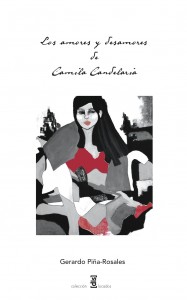 Los amores y desamores de Camila Candelaria de Gerardo Piña Rosales
“Gerardo Piña-Rosales (La Línea de la Concepción, Cádiz, 1948). Escritor, fotógrafo, editor y profesor universitario, reside en Nueva York desde 1973. Ha publicado la novela “Desde esta cámara oscura” y numerosos cuentos en antologías y revistas. Es director de la Academia Norteamericana de la Lengua Española. Desde 1981 es catedrático de literatura española en el Lehman College y el Centro de Graduados de la Universidad de la Ciudad de Nueva York.”
COLECCIÓN DISLOCADOS
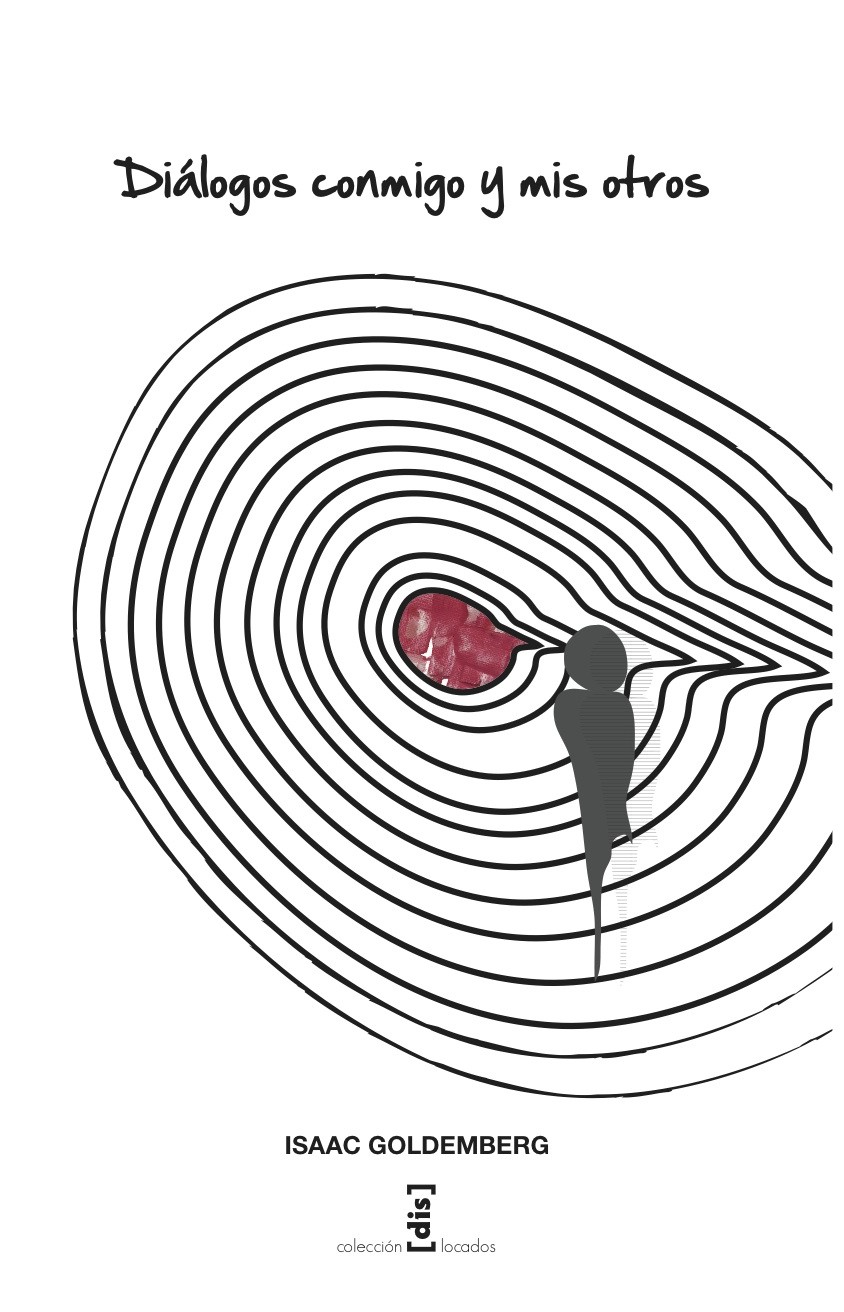 Diálogo conmigo y mis otros de Isaac Goldemberg
“Diálogos conmigo y mis otros ofrece la particularidad de referirse a los grandes temas universales con un lenguaje fluidísimo y fácilmente reconocible por su sello personal, donde campean por sus fueros el humor y la ironía más refinada, aunque estos siempre son empleados por Goldemberg como los recursos mejores para inducir a la reflexión sobre la condición humana, que es uno de los núcleos de sentido de su obra poética. Uno de los poetas más originales de nuestro tiempo, dotado de un extraordinario manejo de las palabras, puesto al servicio de un humanismo que resiste toda prueba”.
Luis Benítez
COLECCIÓN DISLOCADOS
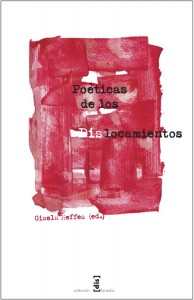 Poéticas de los dislocamientos de Gisela Heffes ed.
En este volumen de ensayos, escritores hispanoamericanos que residen fuera de sus países de orígen exploran el significado de la experiencia de desplazamiento y dislocación, y la incidencia que ésta tiene en la práctica de escritura creativa en un momento en que los flujos migratorios constituyen uno de los rasgos principales de este siglo. Entre los ensayistas se encuentran: Sergio Ramírez, Silvia Molloy, Cristina Rivera Garza, Eduardo Chirinos, Sergio Chejfec, Alicia Borinsky y muchos más.
Gisela Heffes
COLECCIÓN DISLOCADOS
 Volverse Palestina de Lina Meruane
“Lanzo al aire una moneda mental: si alguna invitación me lleva a Europa yo me estiraré hacia el Oriente por mis propios medios. La moneda gira sobre sí misma mientras pienso en tantas restas. El regreso frustrado de mis abuelos. La negativa de mi padre. La integración que acabó por aplanar la diferencia palestina en mi país. Una historia llena de agujeros. Tengo que sumarle a esa resta, pienso. Volverme Palestina. Volver.”
Lina Meruane
COLECCIÓN DISLOCADOS
Blind Spot de Gerardo Cárdenas
“La anecdota de Blind Spot (Premio Dramaturgia Hispana de Chicago 2014) es la de un inmigrante indocumentado en Chicago quien se enlista con los Marines para conseguir la nacionalidad americana. El joven es enviado a Irak, donde es capturado por fuerzas rebeldes, torturado y finalmente liberado, para luego ser acusado de traicion por el gobierno de Estados Unidos. El autor explora, a traves del drama de la poblacion indocumentada, las dimensiones de luz y sombra de la experiencia humana.”
Xánath Caraza
COLECCIÓN DISLOCADOS
 Declinaciones latinas (antología del exilio) de José Antonio Mazzotti
Declinaciones latinas reúne fragmentos de algunos de los libros del autor, dedicados especifícamente al tema del exilio, la desterritorialización y el desarraigo personal. Emigrado desde 1988 en los Estados Unidos, los poemas de este libro expresan una visión corrosiva del país del norte sin dejar de minar el camino de regreso al sur. Se trata de un libro singular en su articulación de una identidad transnacional y del sentimiento de la migrancia, común a millones de latinoamericanos en numerosos puntos del planeta.
COLECCIÓN DISLOCADOS
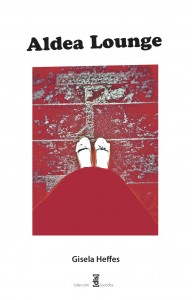 Aldea Lounge de Gisela Heffes
Gisela Heffes
COLECCIÓN DISLOCADOS
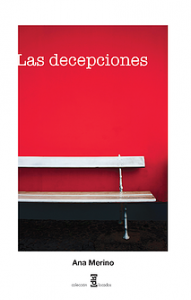 Las decepciones de Ana Merino
“Esta mañana yo tuve una idea, un cuento anudado a otros cuentos. Ya estaban allí tres de sus personajes, rodeaban mi mesa y me miraban con los ojos clavados en mis manos. Silenciosos, esperaban que yo les diera un nombre, que les dejara existir describiendo su rostro, dibujando sus vidas con mis dedos. Allí estaban los tres mientras yo bostezaba y esperaba que el agua rompiera a hervir y se mezclara con el grano de café recién molido…”
Ana Merino